Error-Conditioned Neural Solvers

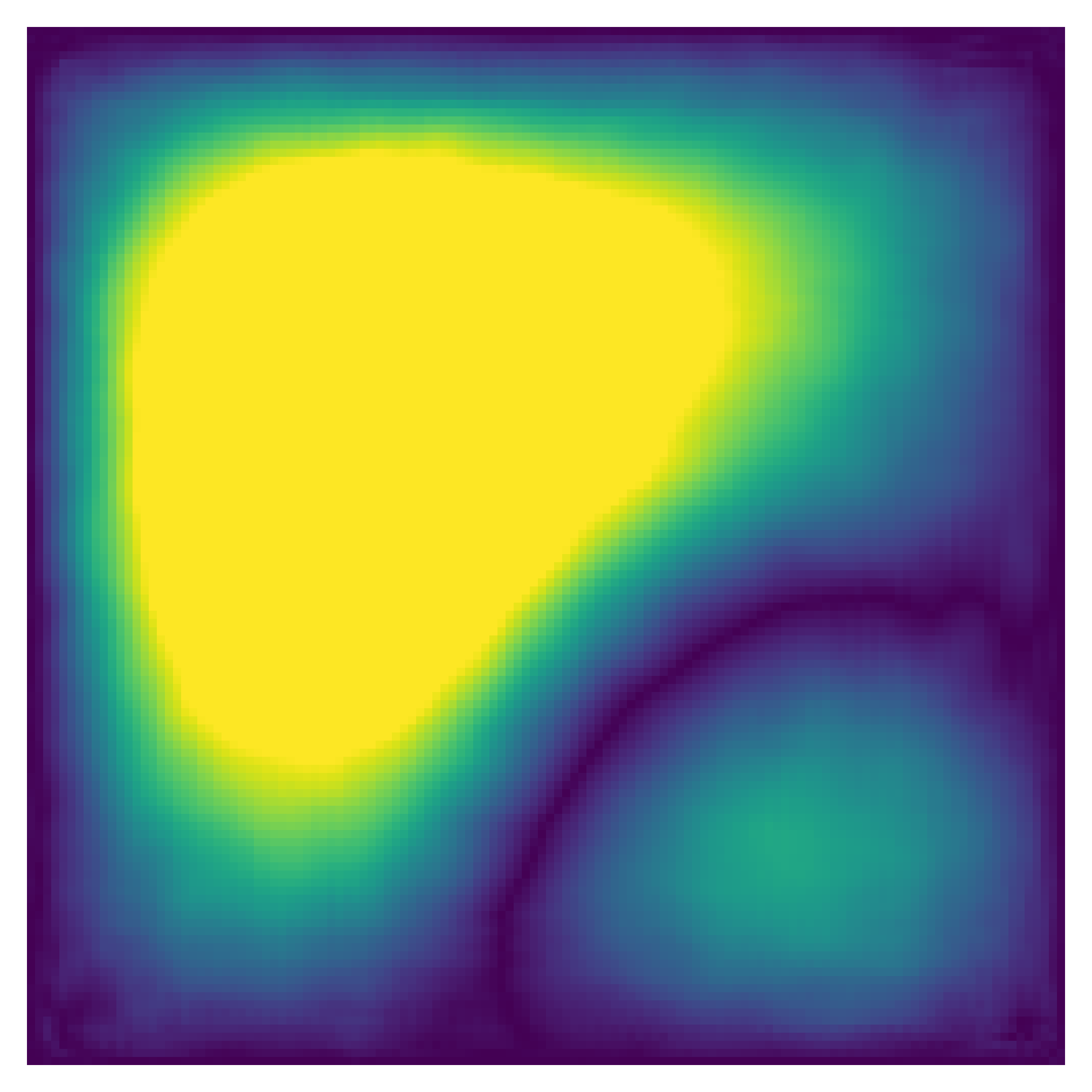
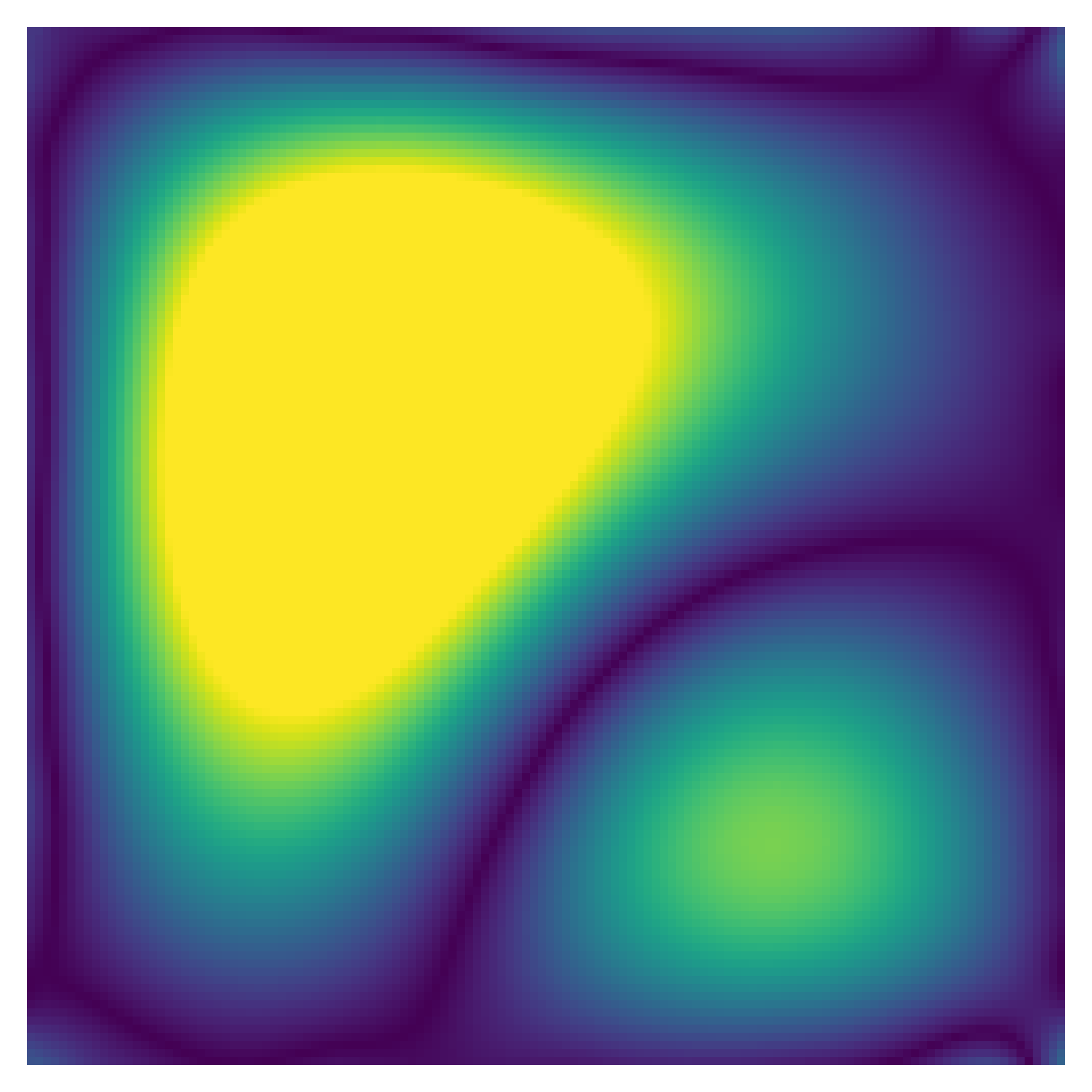
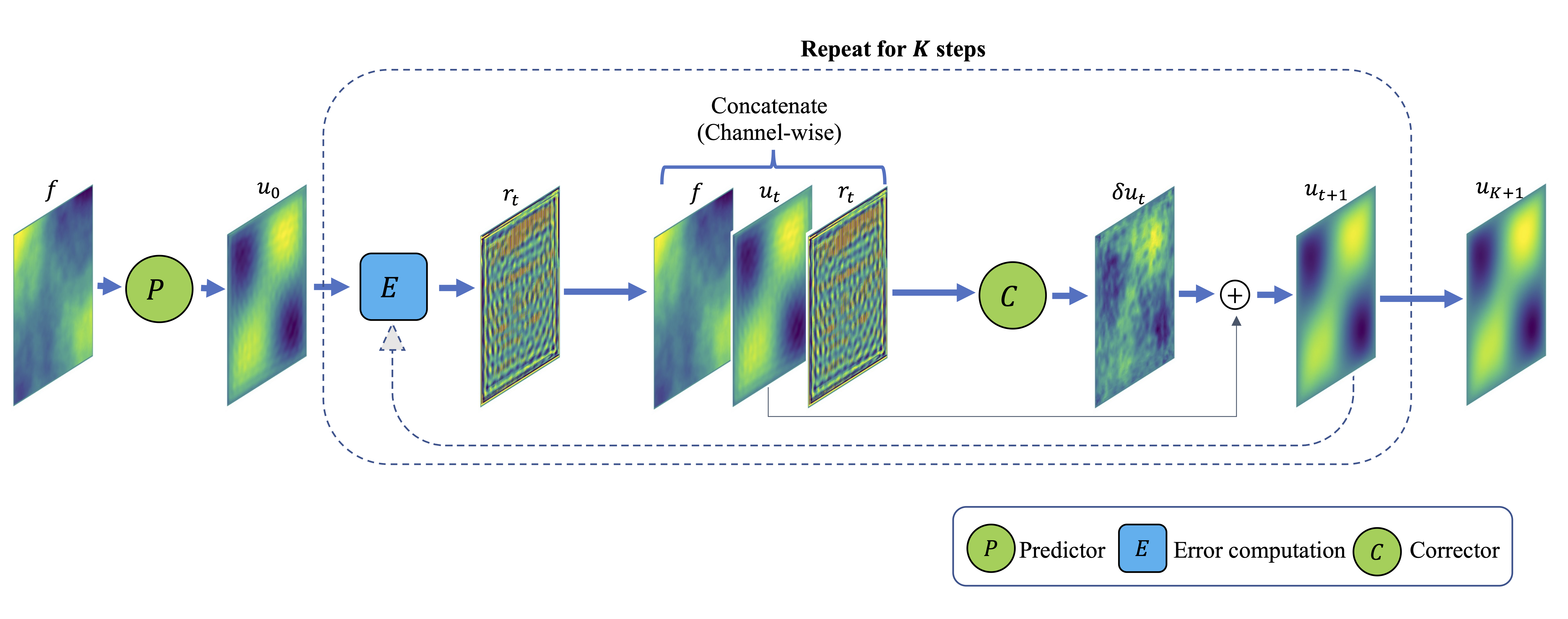
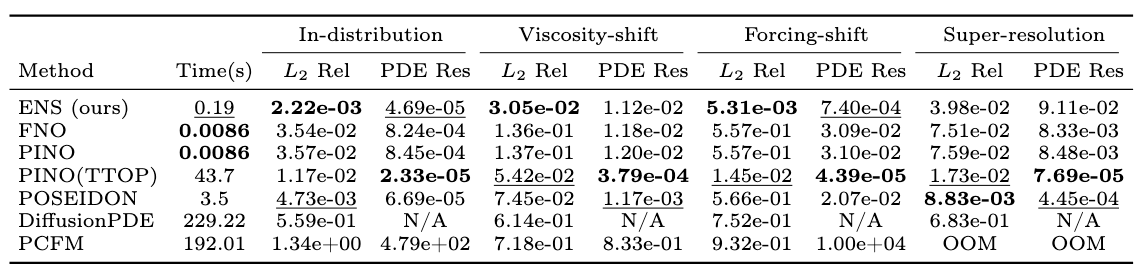
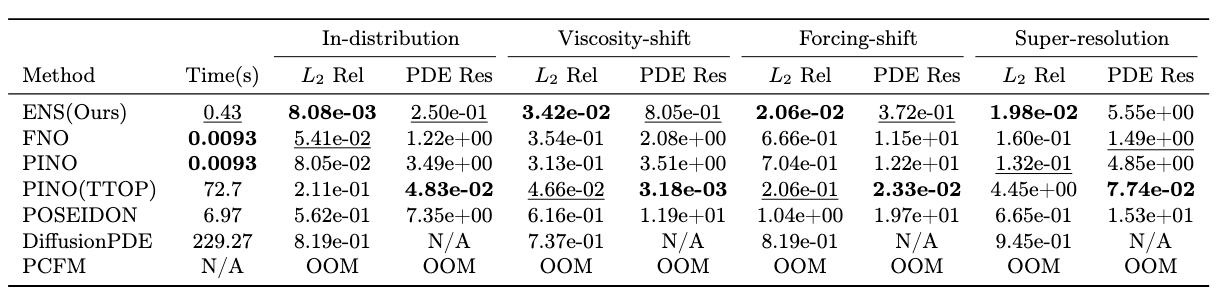
We propose Error-Conditioned Neural Solvers (ENS), which iteratively feed the PDE residual field directly into the network to correct its own errors, achieving state-of-the-art accuracy and zero-shot extrapolation across PDE settings.
Ground Truth
ENS (Ours)
FNO
PINO
DiffusionPDE
PCFM
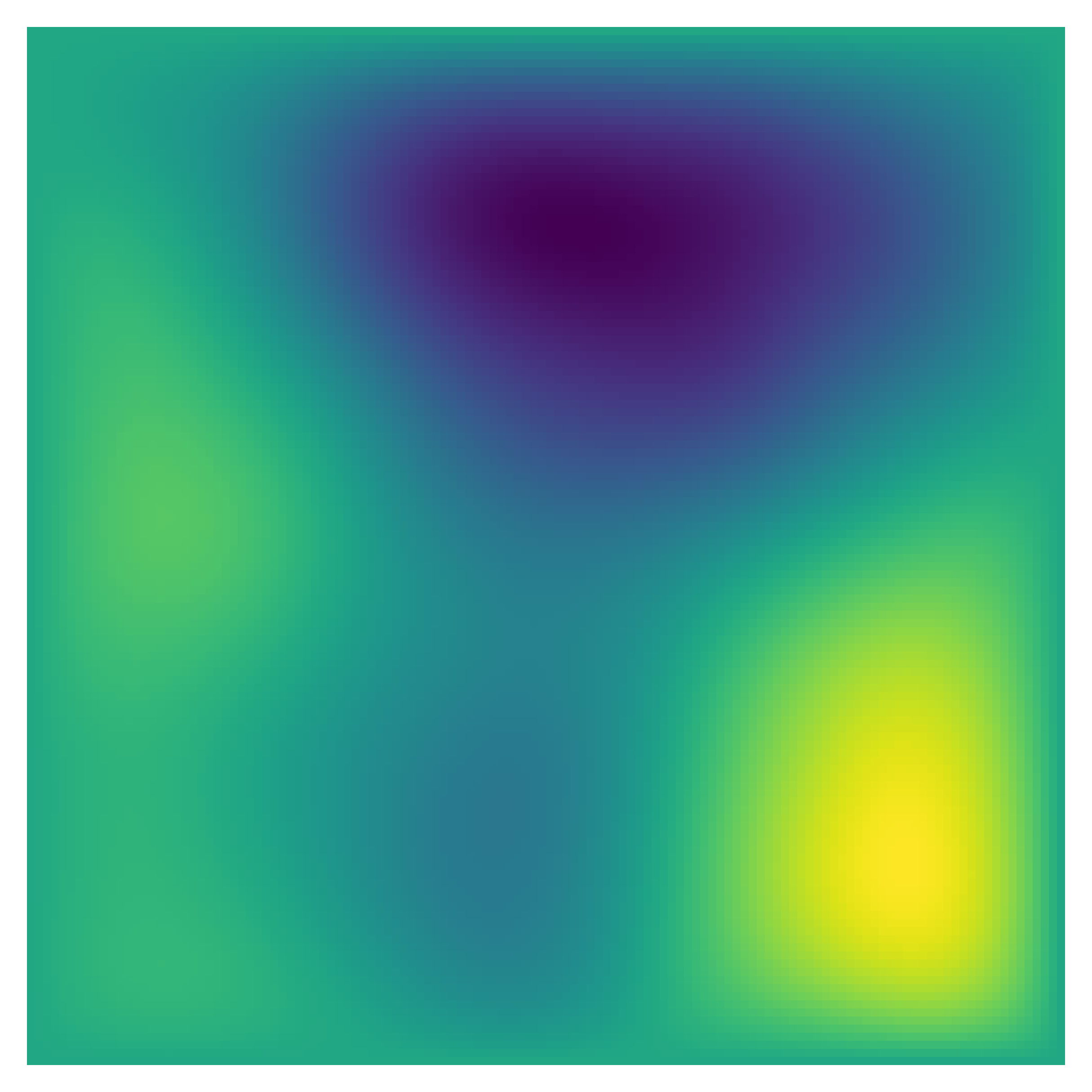
Solution
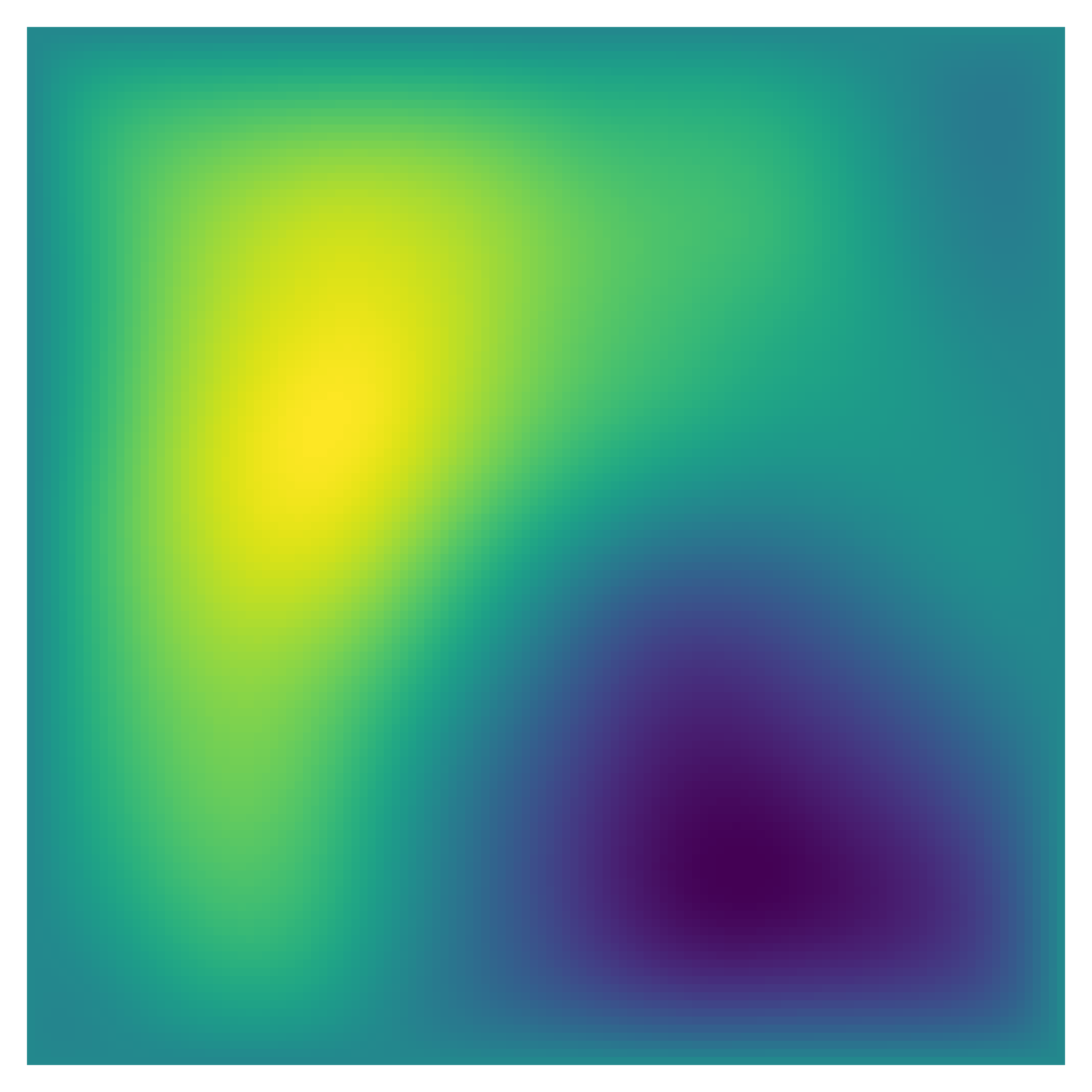
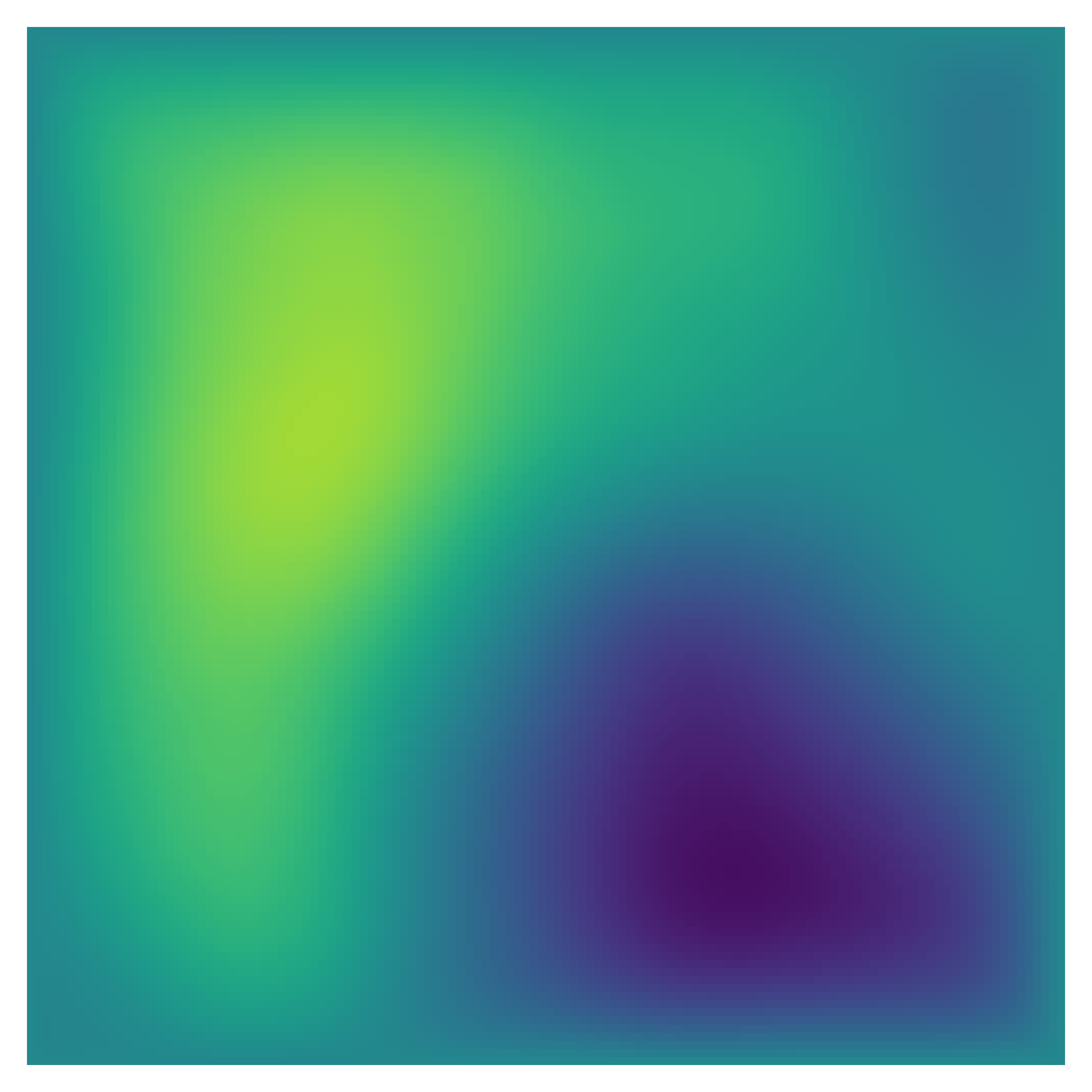
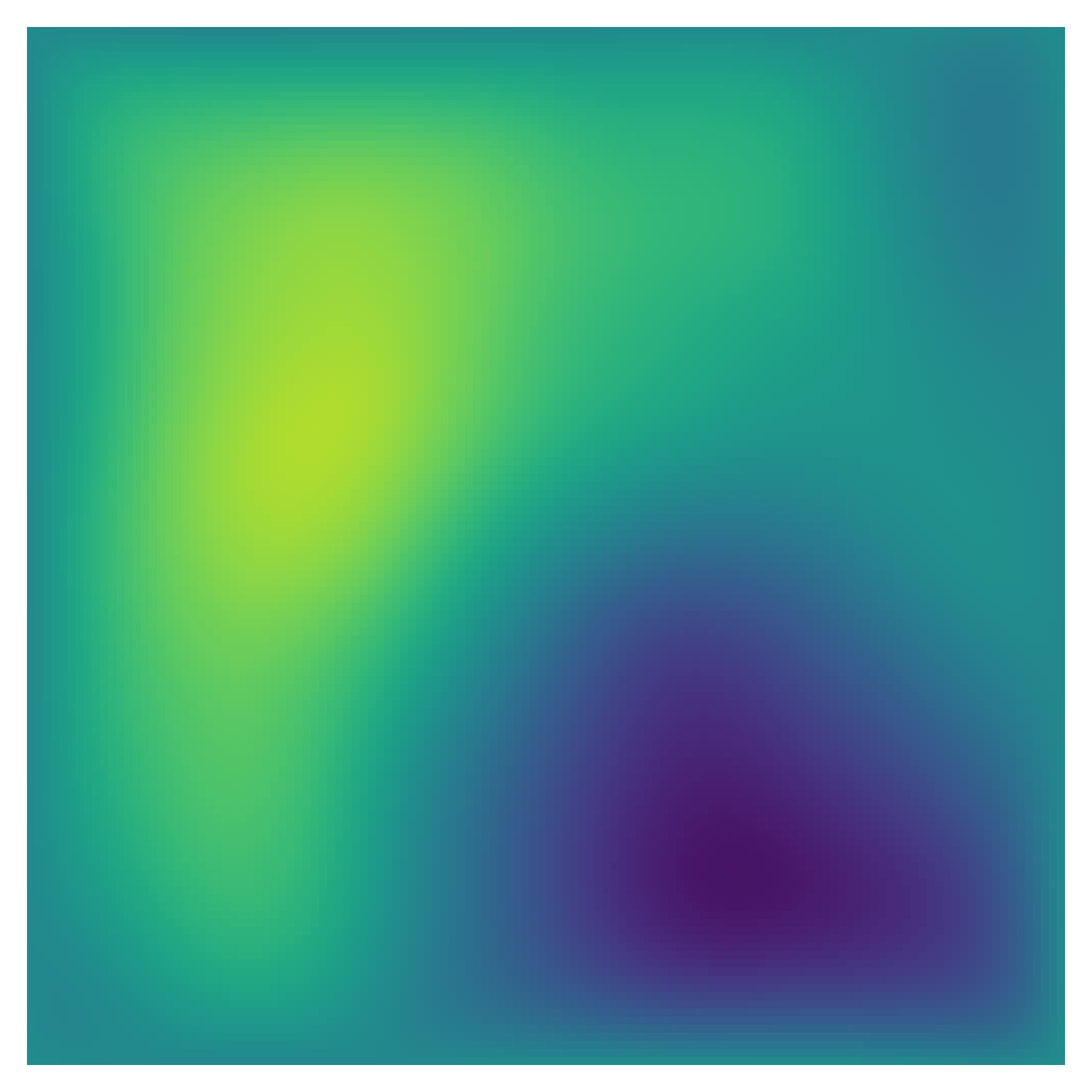
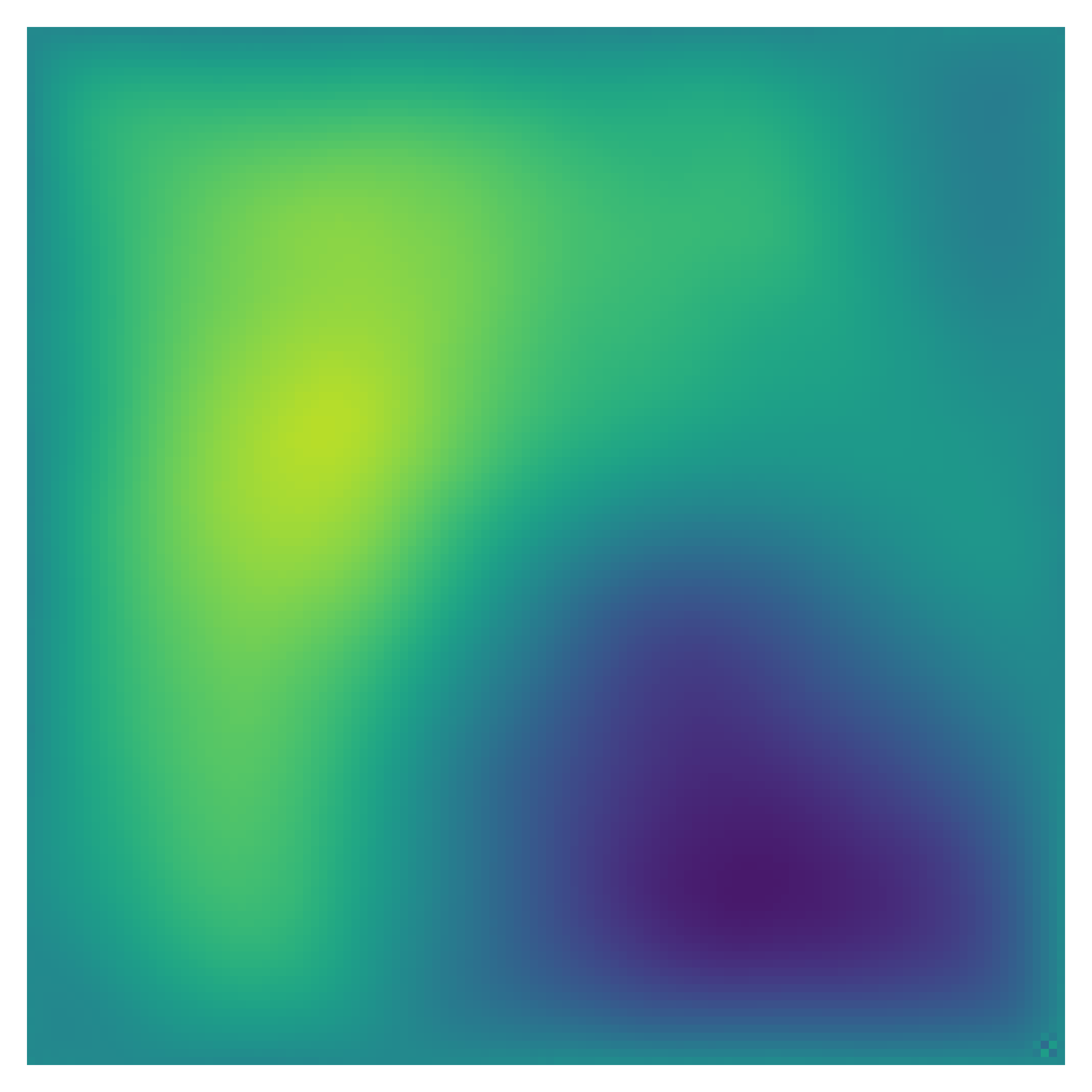
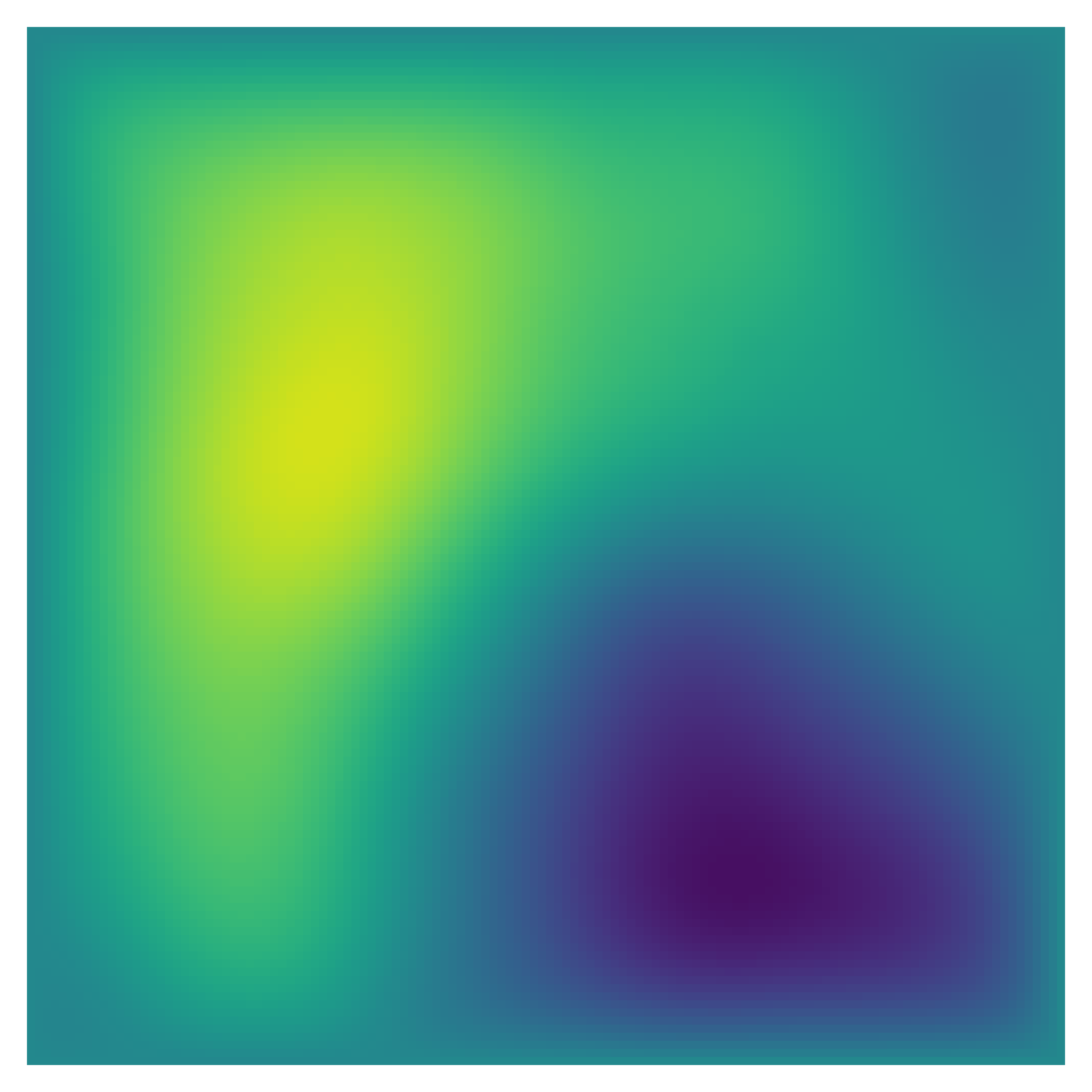
PDE residual

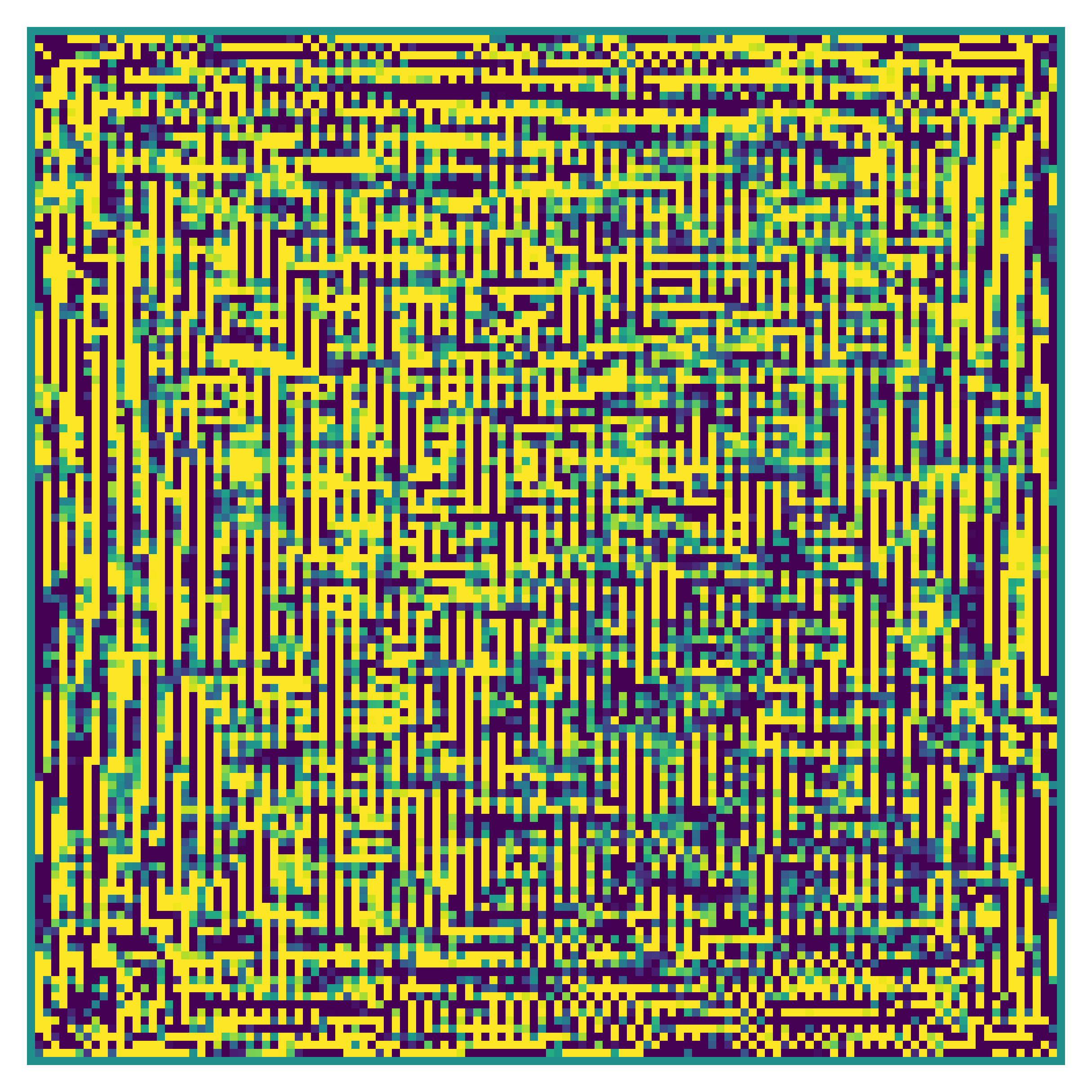
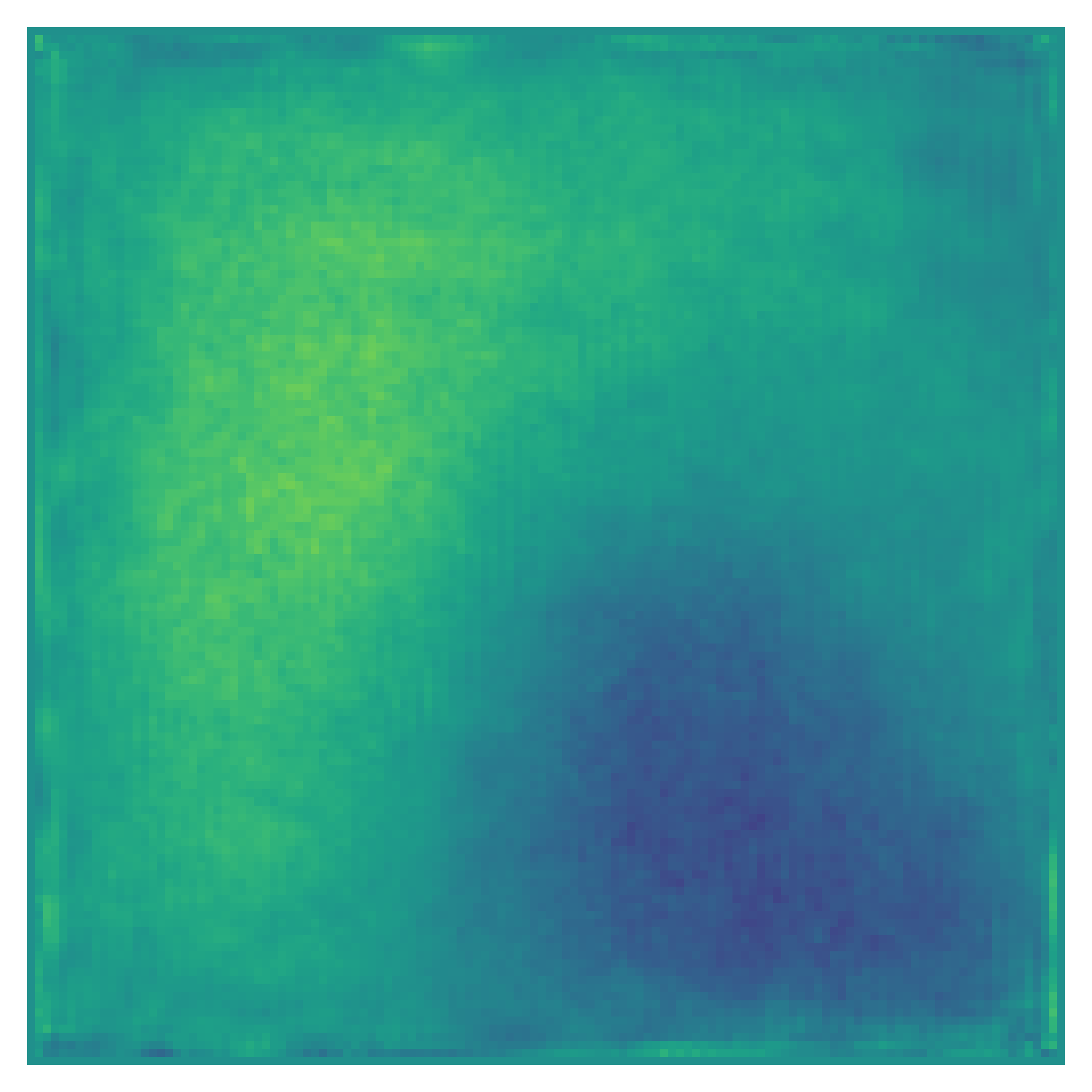
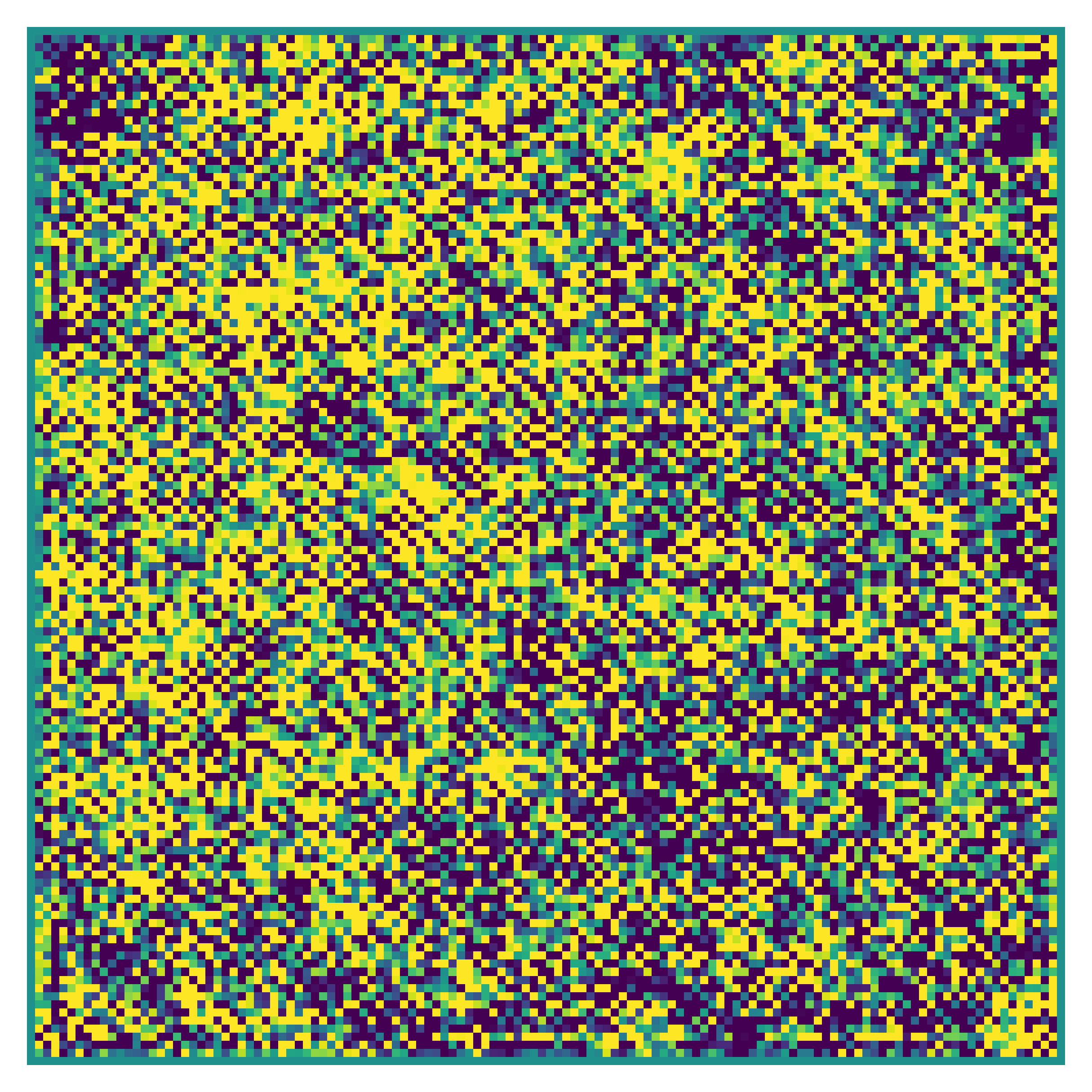
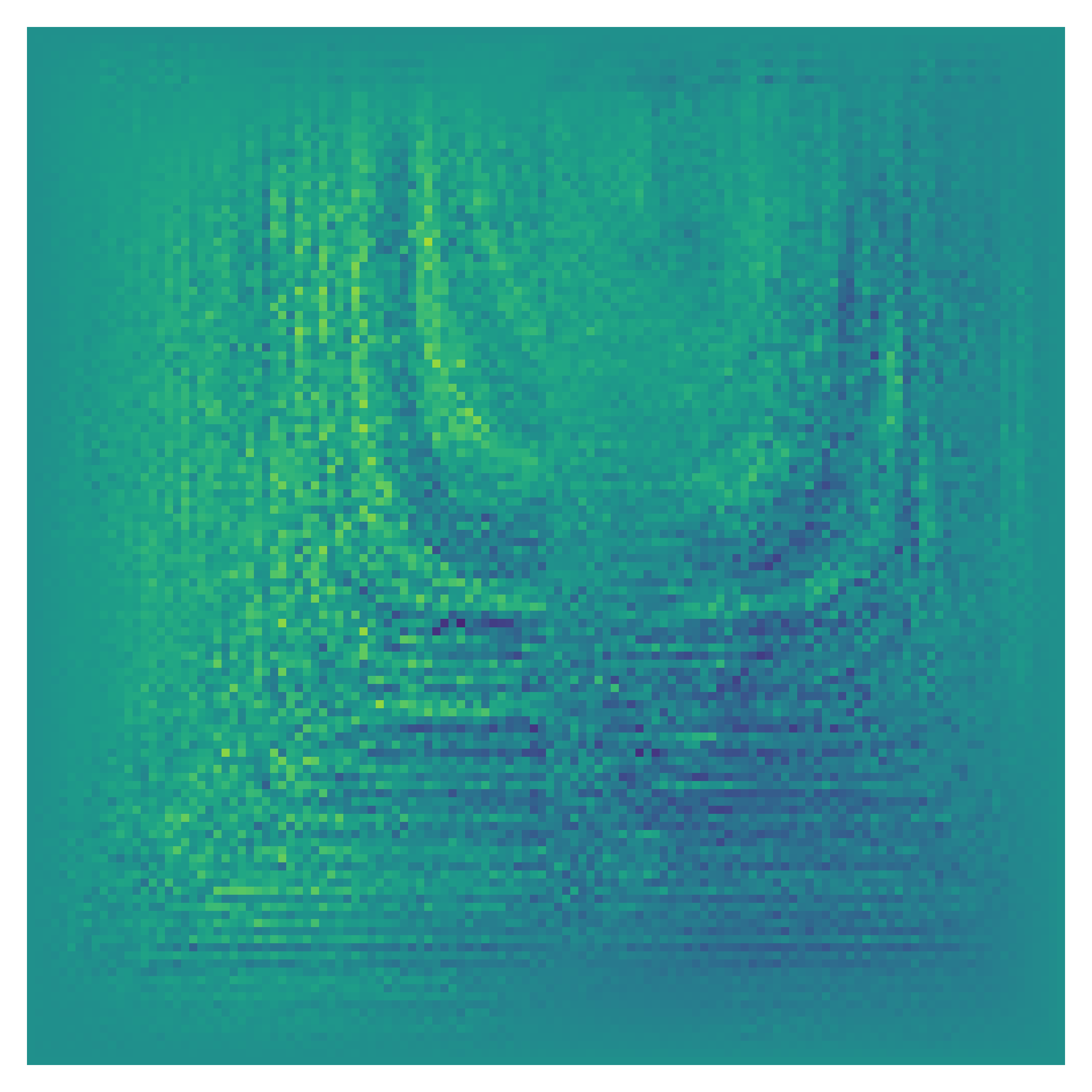

L1 error
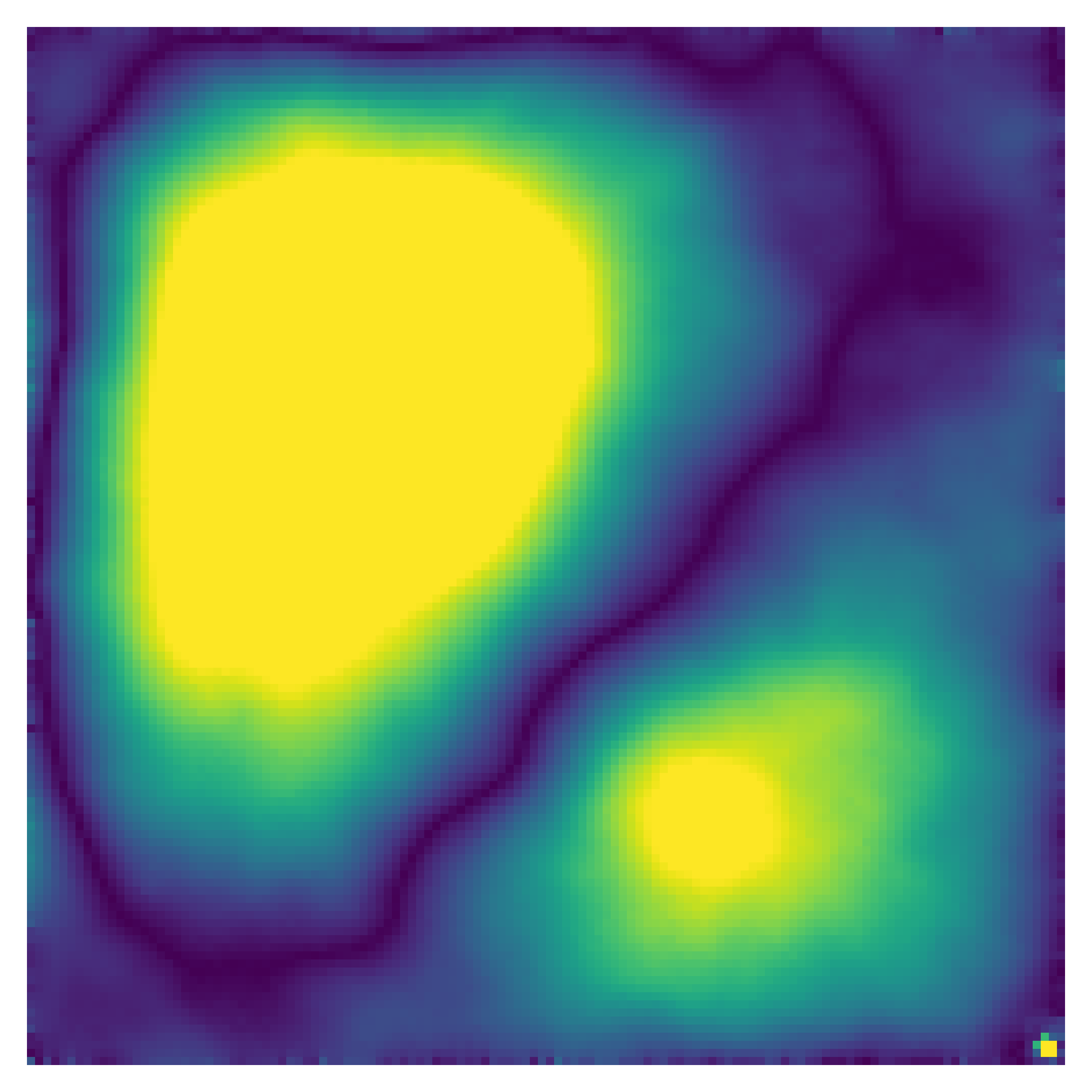
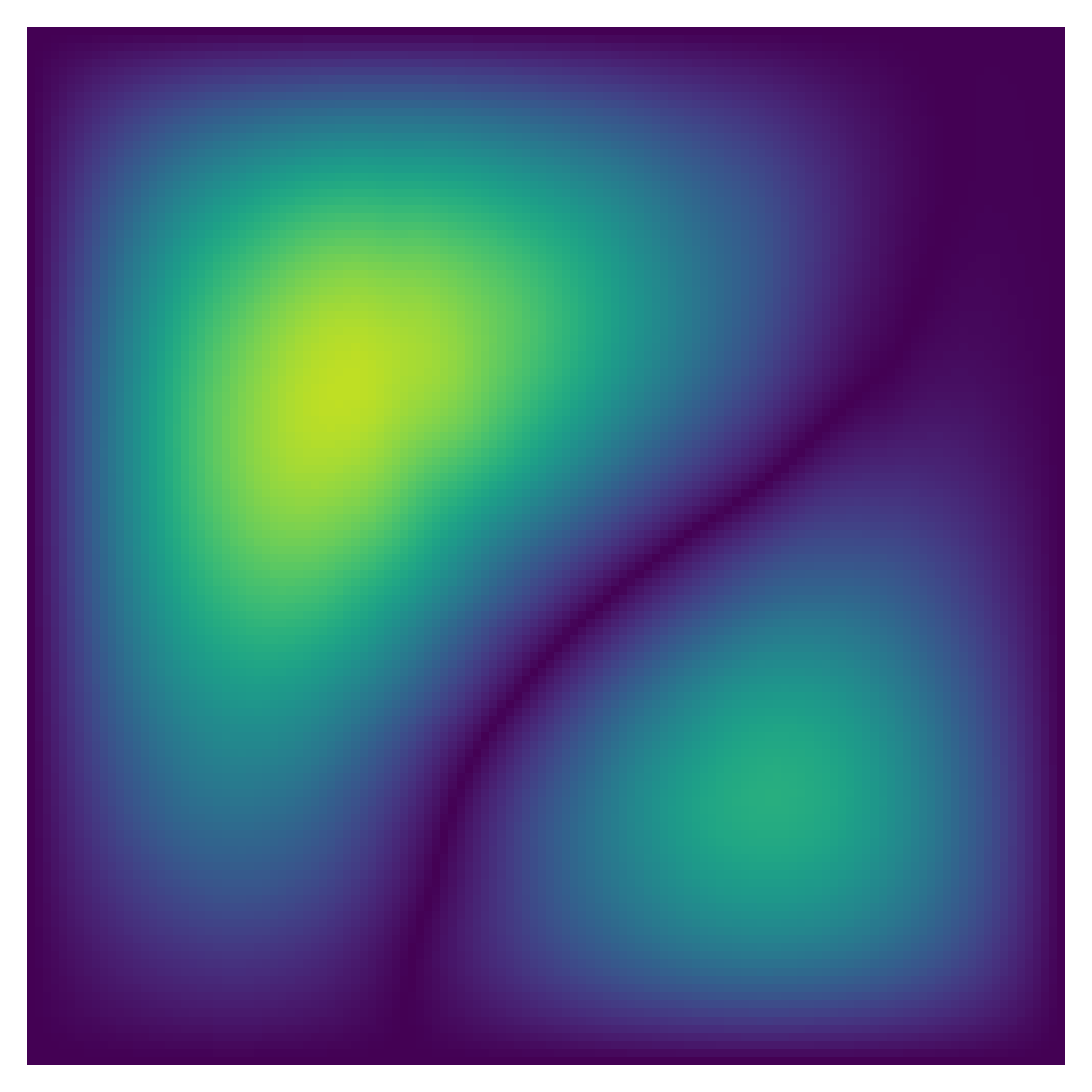
View Abstract
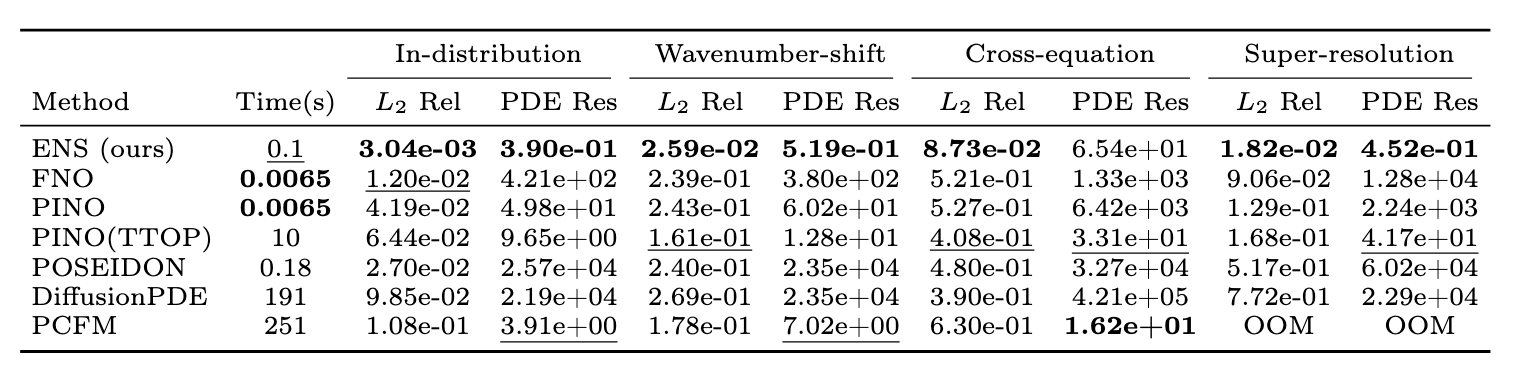
Neural operators learn fast approximate mappings from PDE parameters to solutions. Recent hybrid methods combine neural operators with external numerical corrections, e.g., gradient descent or Gauss-Newton steps on the PDE residual, to improve physical accuracy, but inherit the instability, cost, and pitfalls of classical solvers. In this work, we propose Error-Conditioned Neural Solvers (ENS), which internalize the correction within the network itself. Our neural solvers recurrently correct their predictions by computing the PDE residual field of the current prediction and passing it as an explicit input to the network, until the residual converges to a consistent floor. ENS achieves state-of-the-art prediction accuracy across PDE families while matching the PDE residuals of hybrid optimization methods without their instability or compute cost. We theoretically and empirically show that minimizing PDE residual is an unreliable proxy for reconstruction accuracy for ill-conditioned systems, explaining why hybrid methods fail under distribution shift despite low residuals — a regime where ENS maintains accuracy across diverse extrapolation settings, including zero-shot parameter shifts, super-resolution, and cross-equation transfer.
Robust Convergence from Various Initializations

FNO Initialization

Zero-field

Gauss-noise

Random-noise

Wrong Input
Poisson
Scaling-factor shift
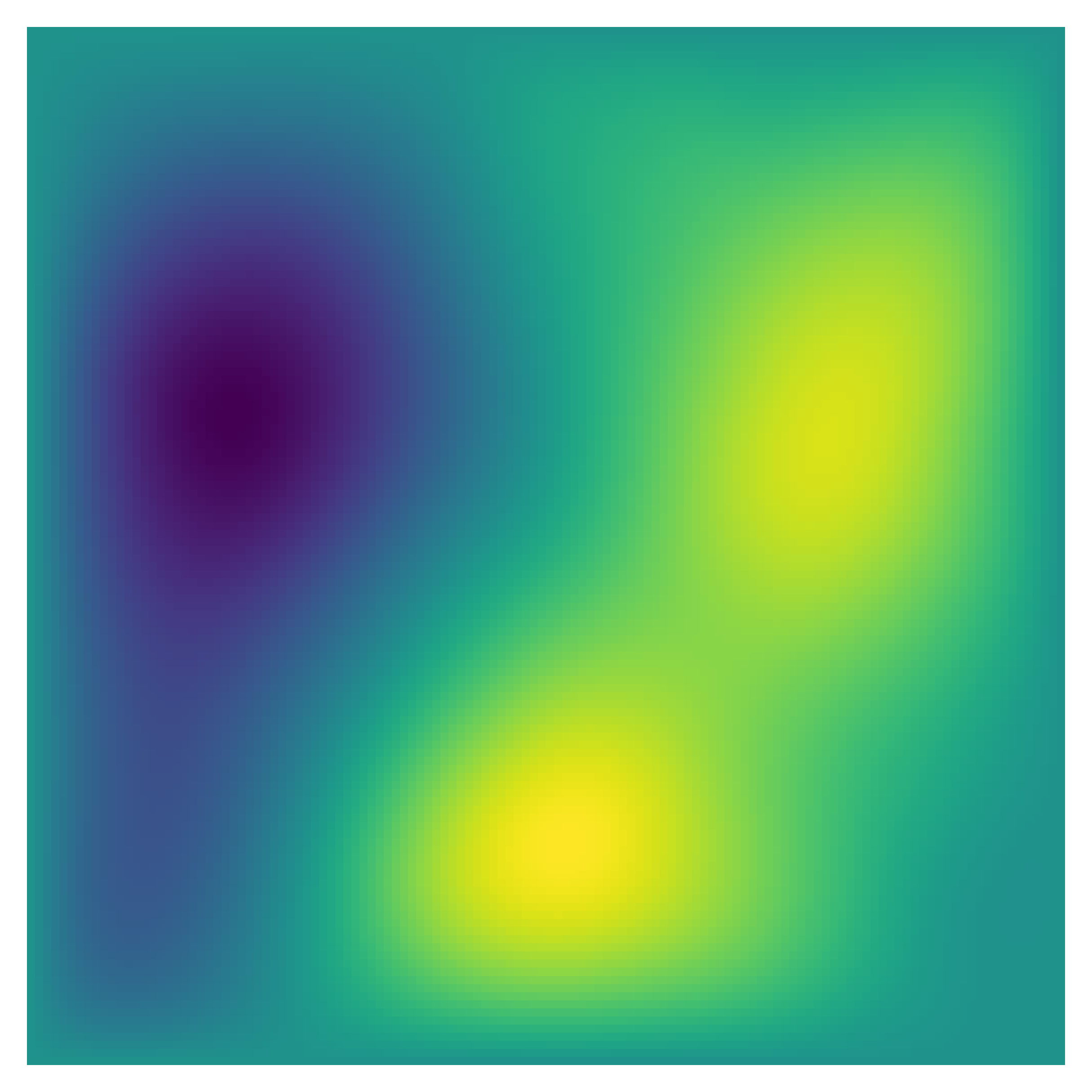
Ground Truth

ENS (Ours)
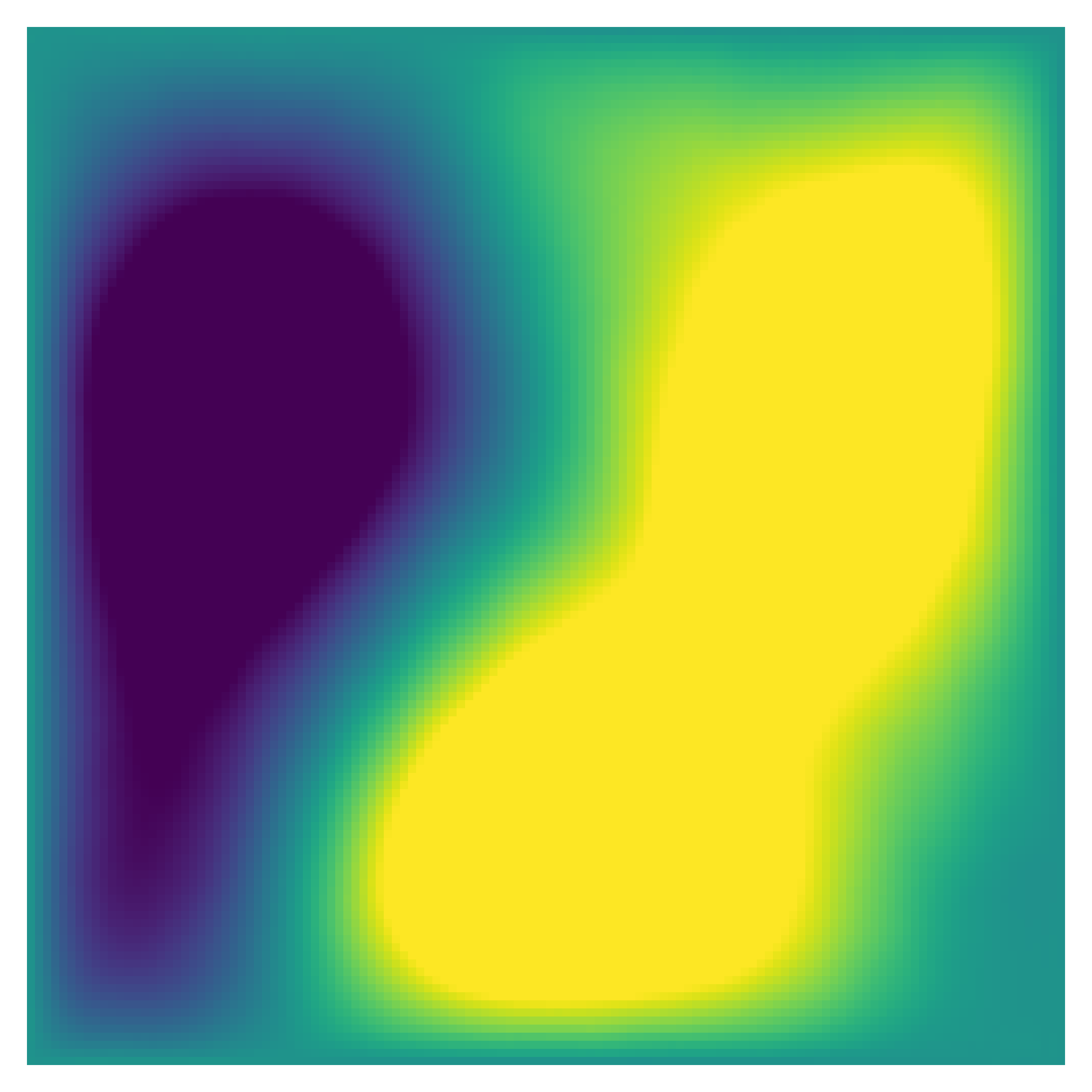
FNO
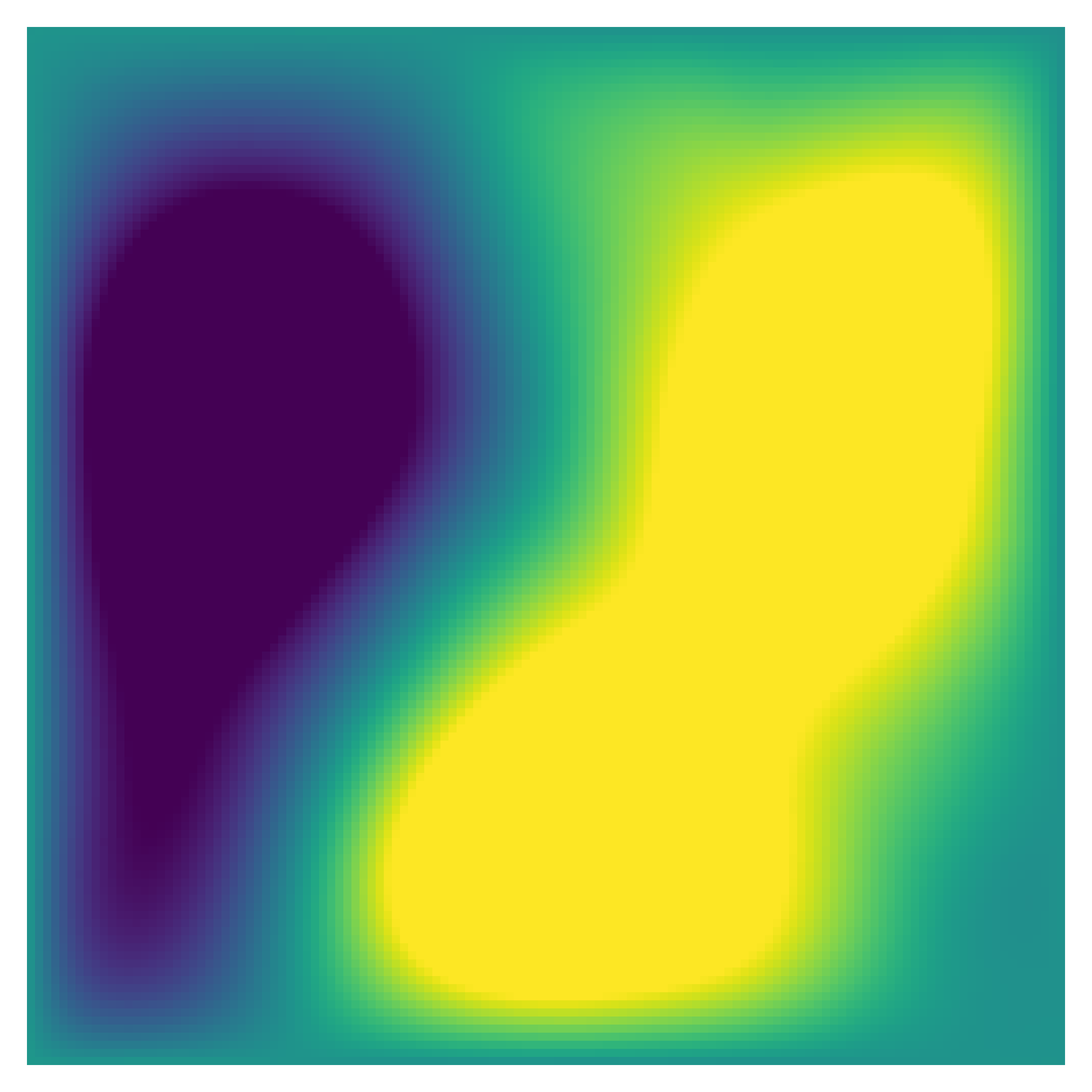
PINO
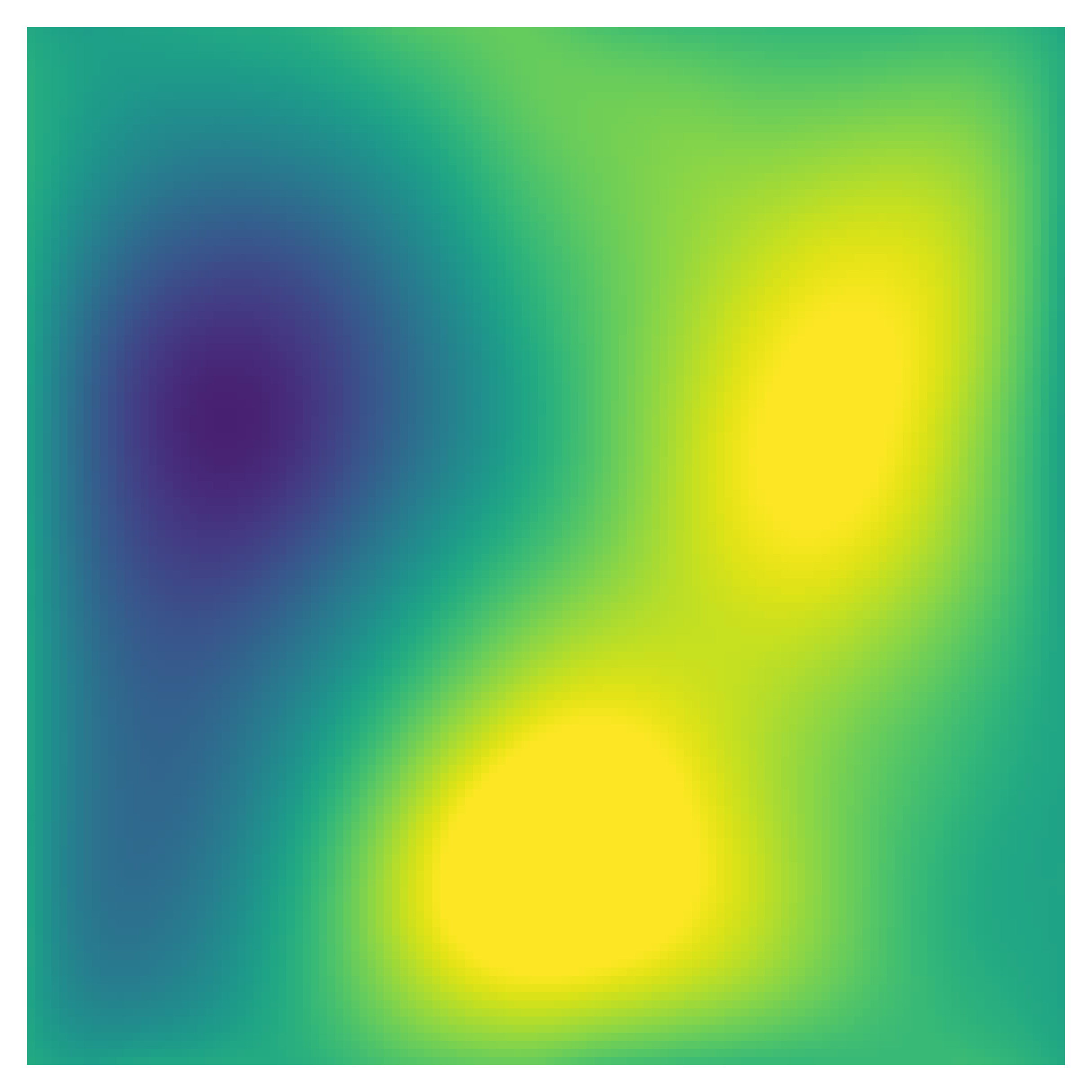
PINO(TTOP)
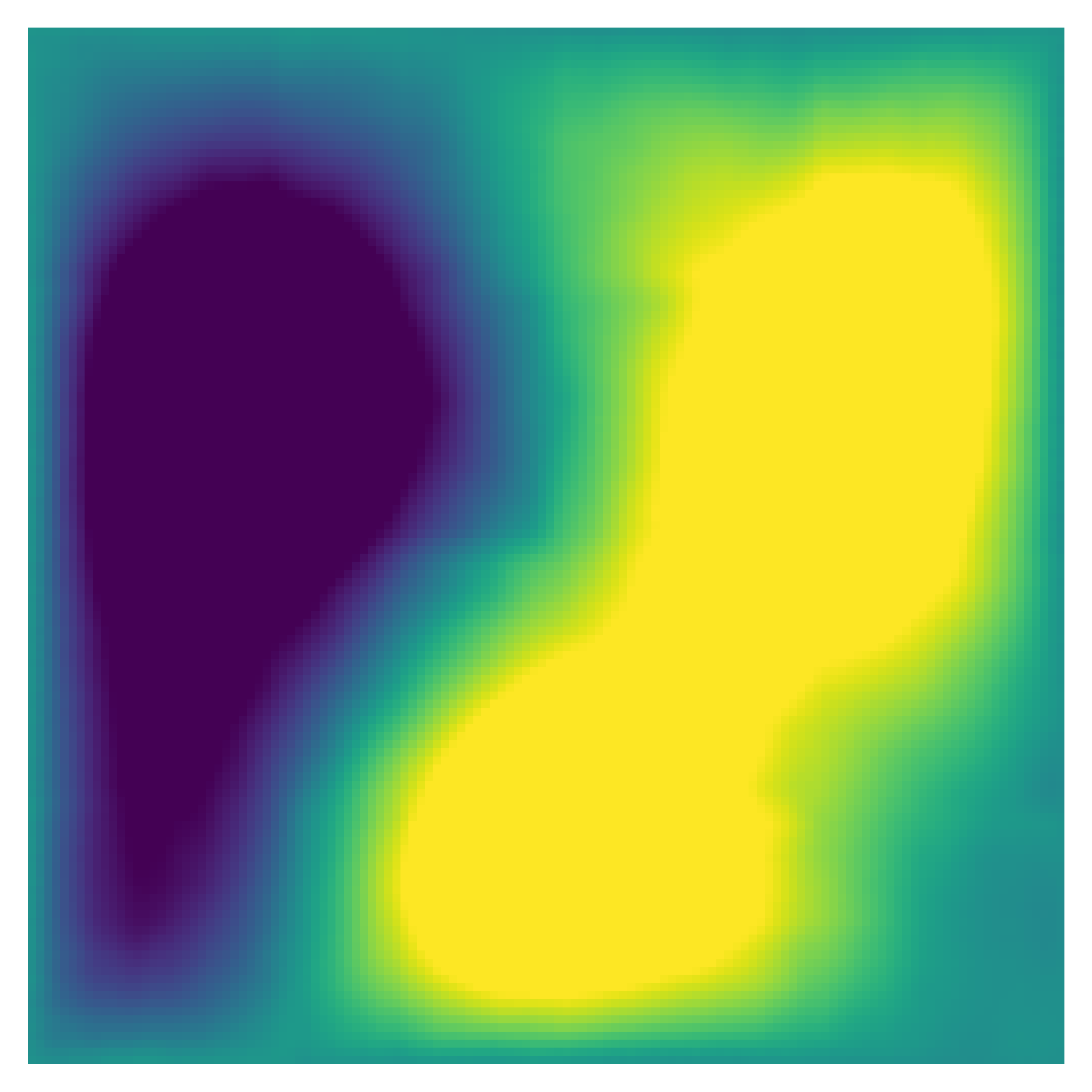
POSEIDON
Noisy-input
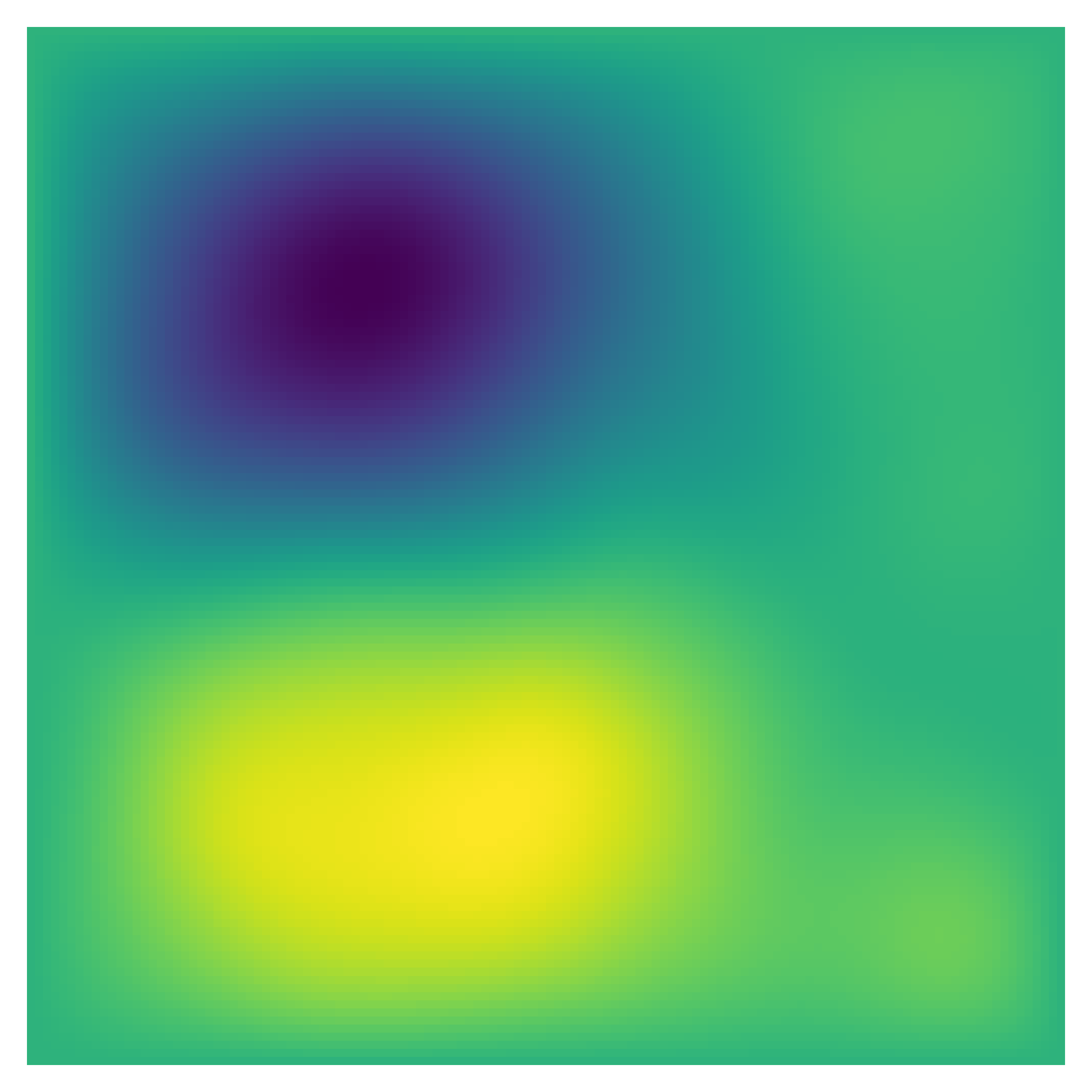
Ground Truth

ENS (Ours)
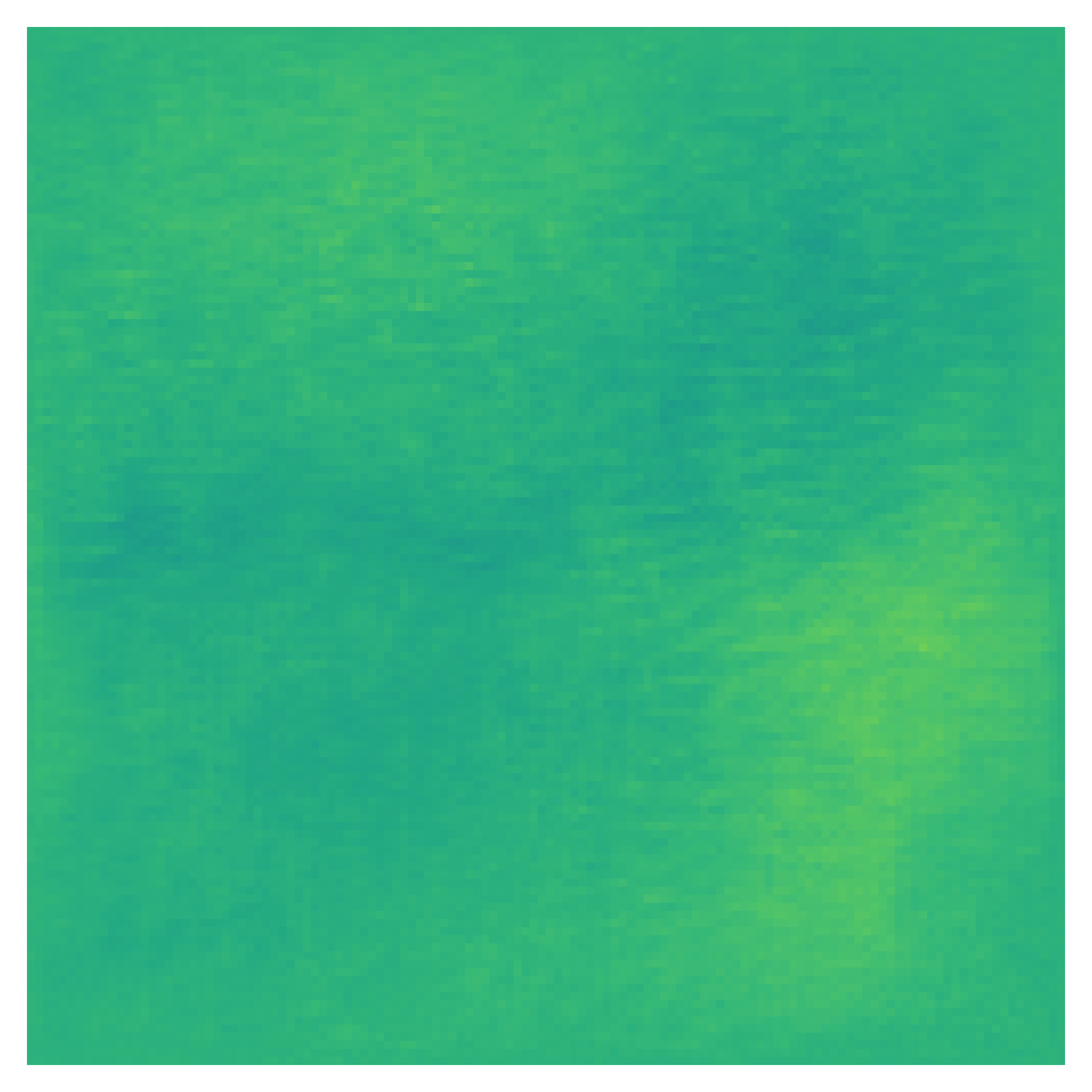
FNO
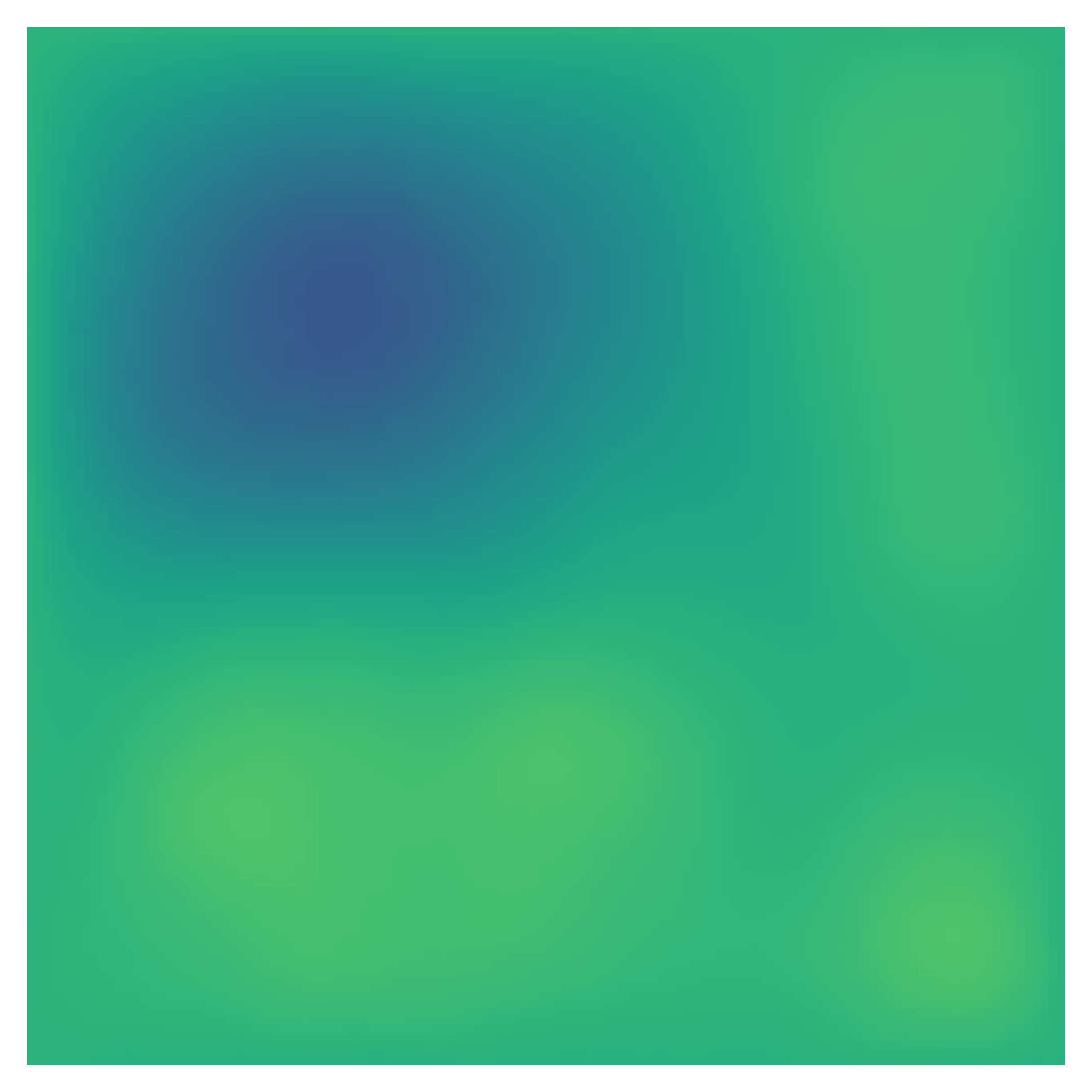
PINO
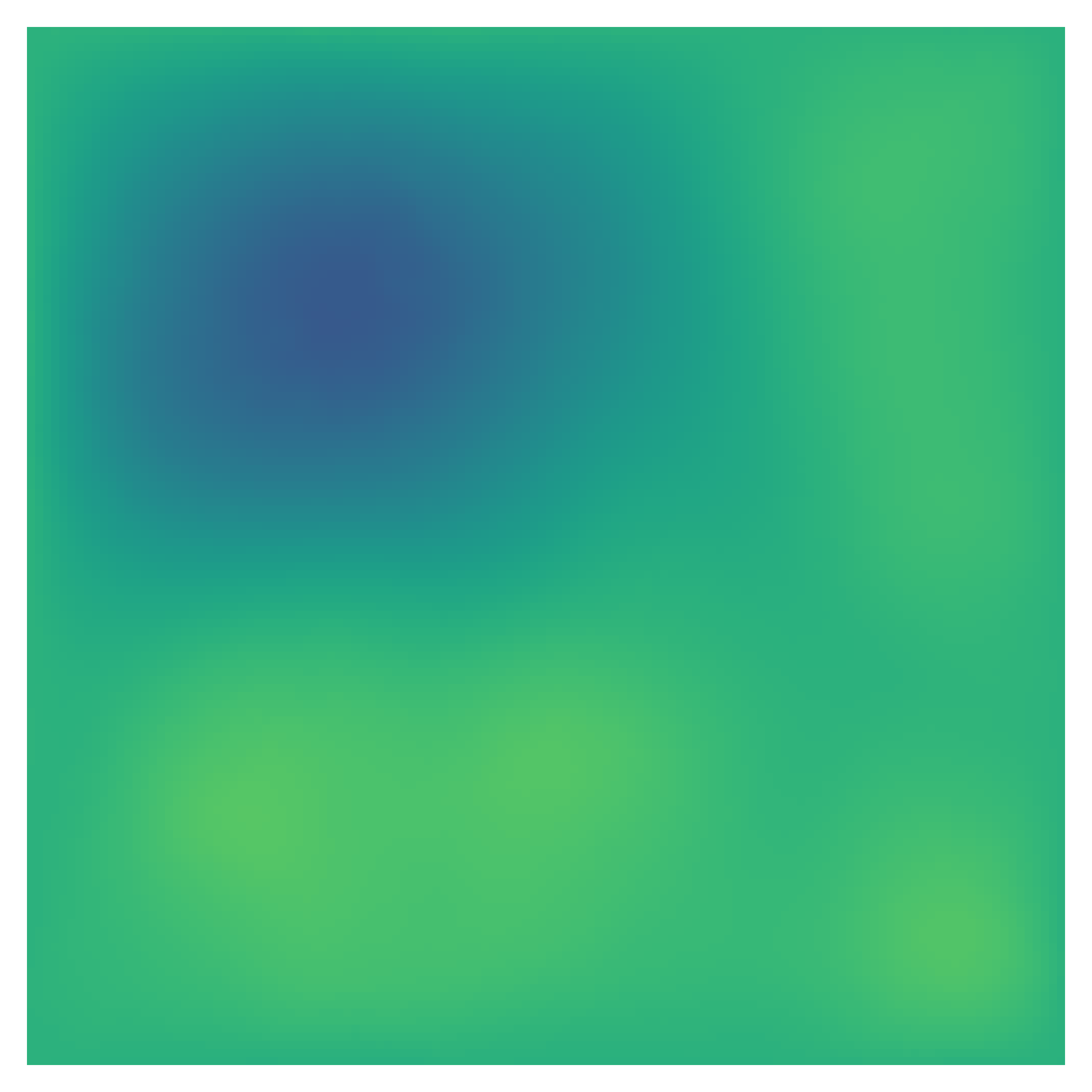
PINO(TTOP)
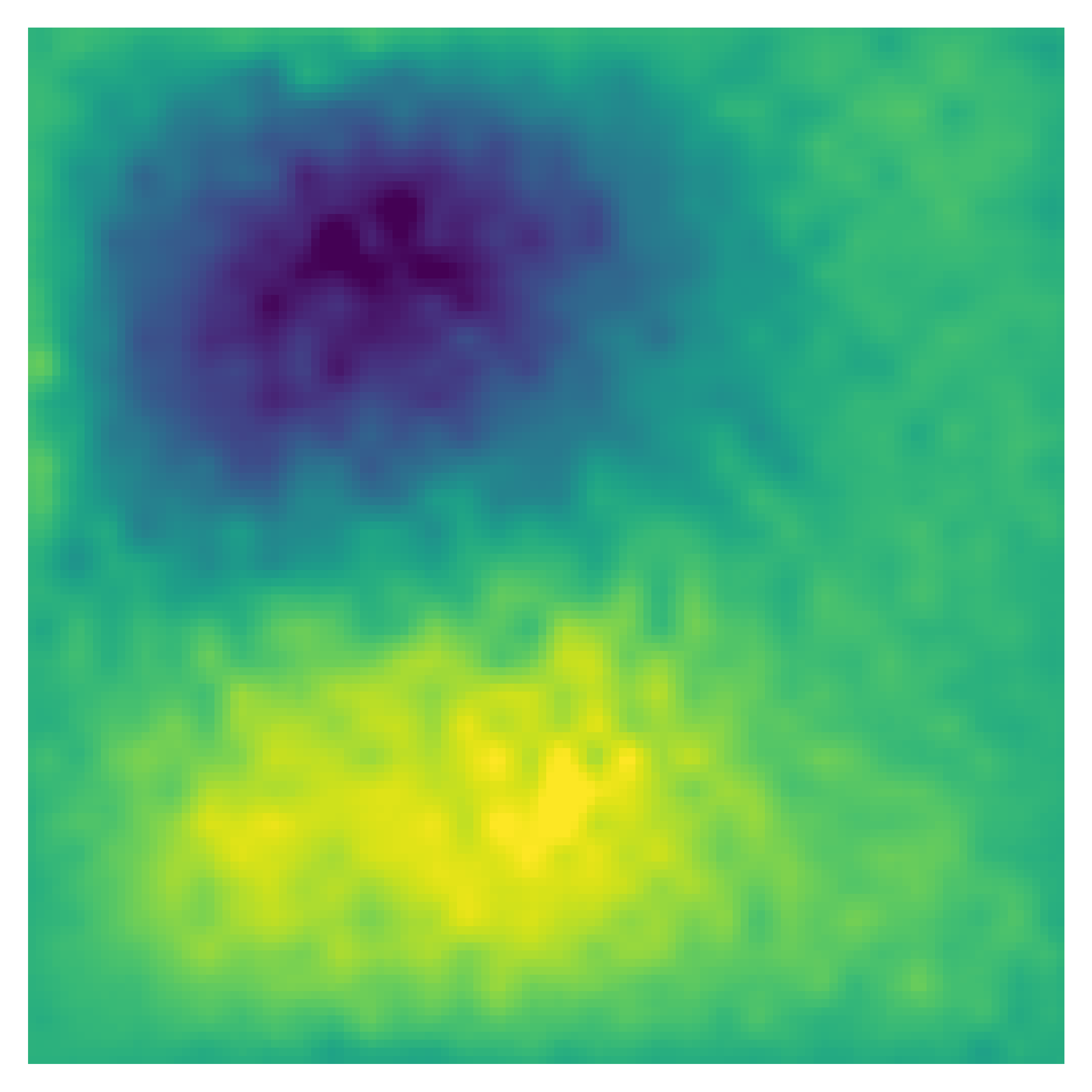
POSEIDON
Darcy Flow
Forcing-shift
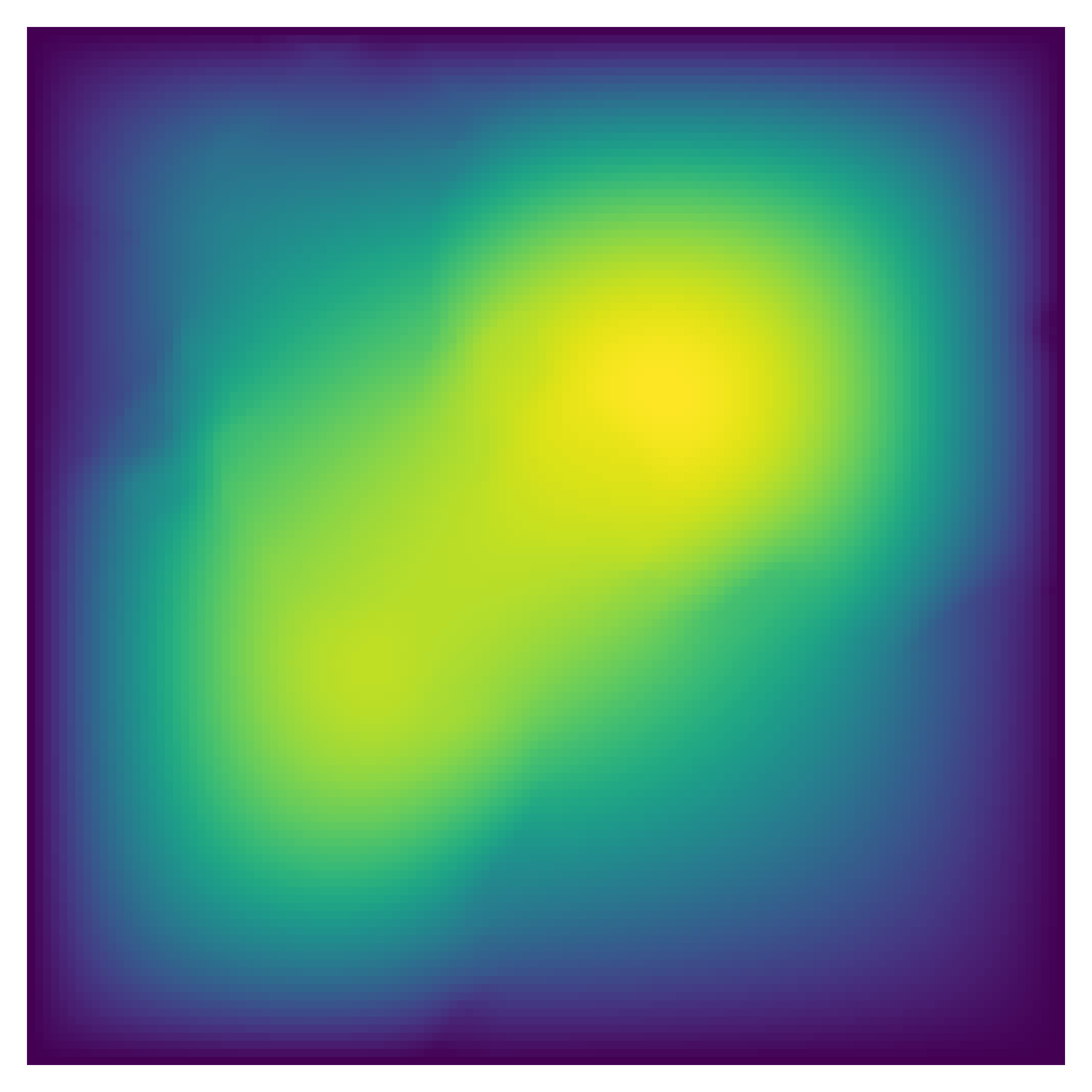
Ground Truth

ENS (Ours)
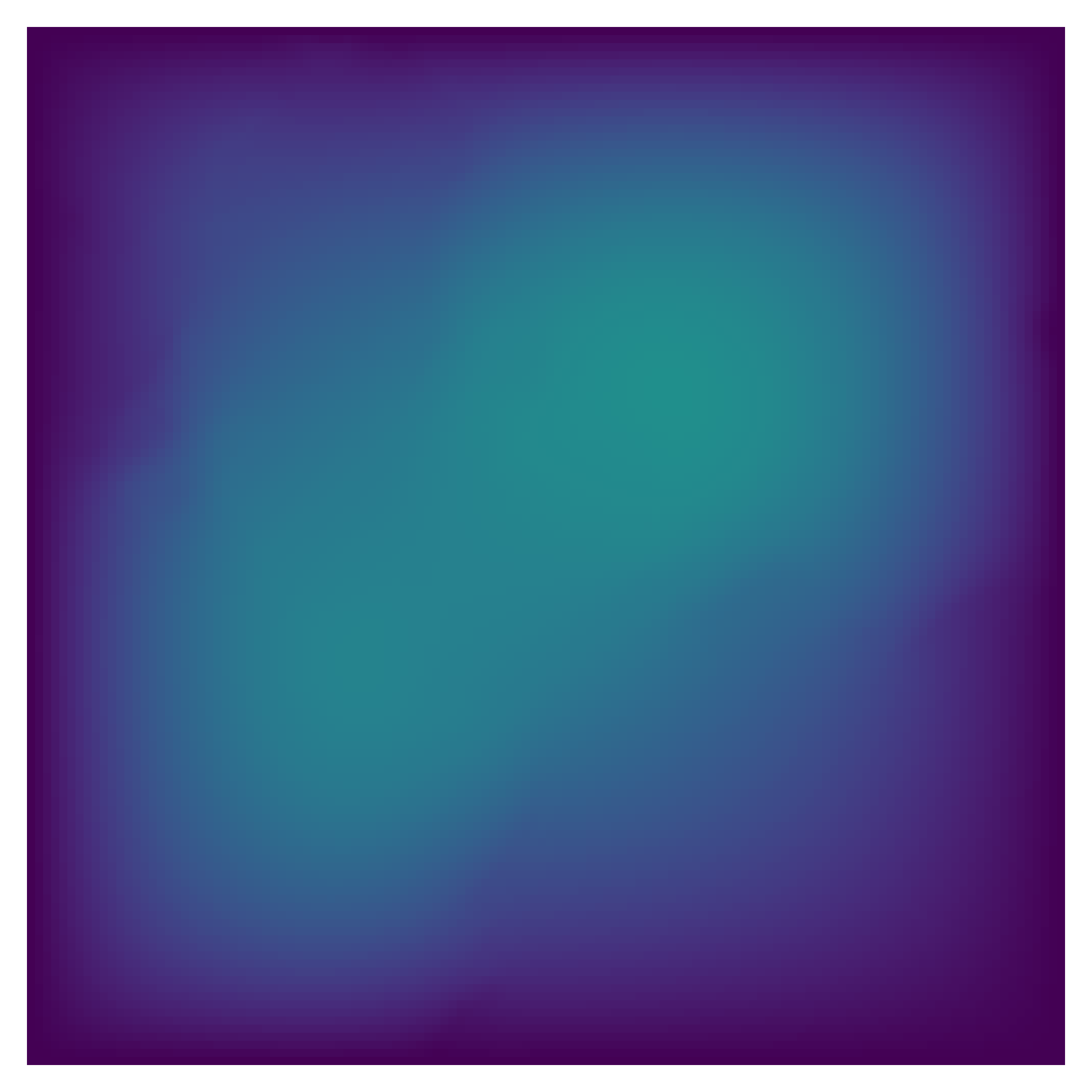
FNO
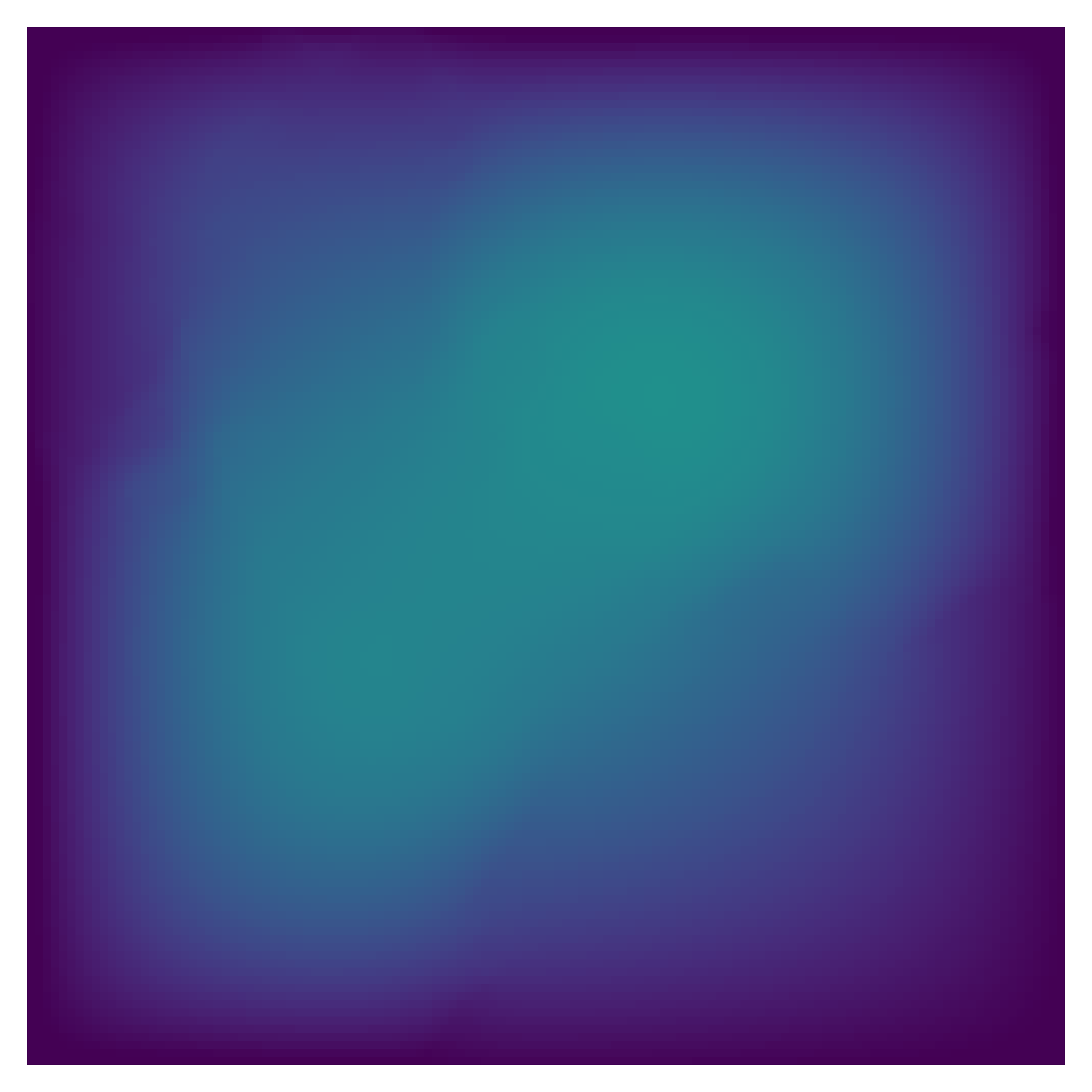
PINO
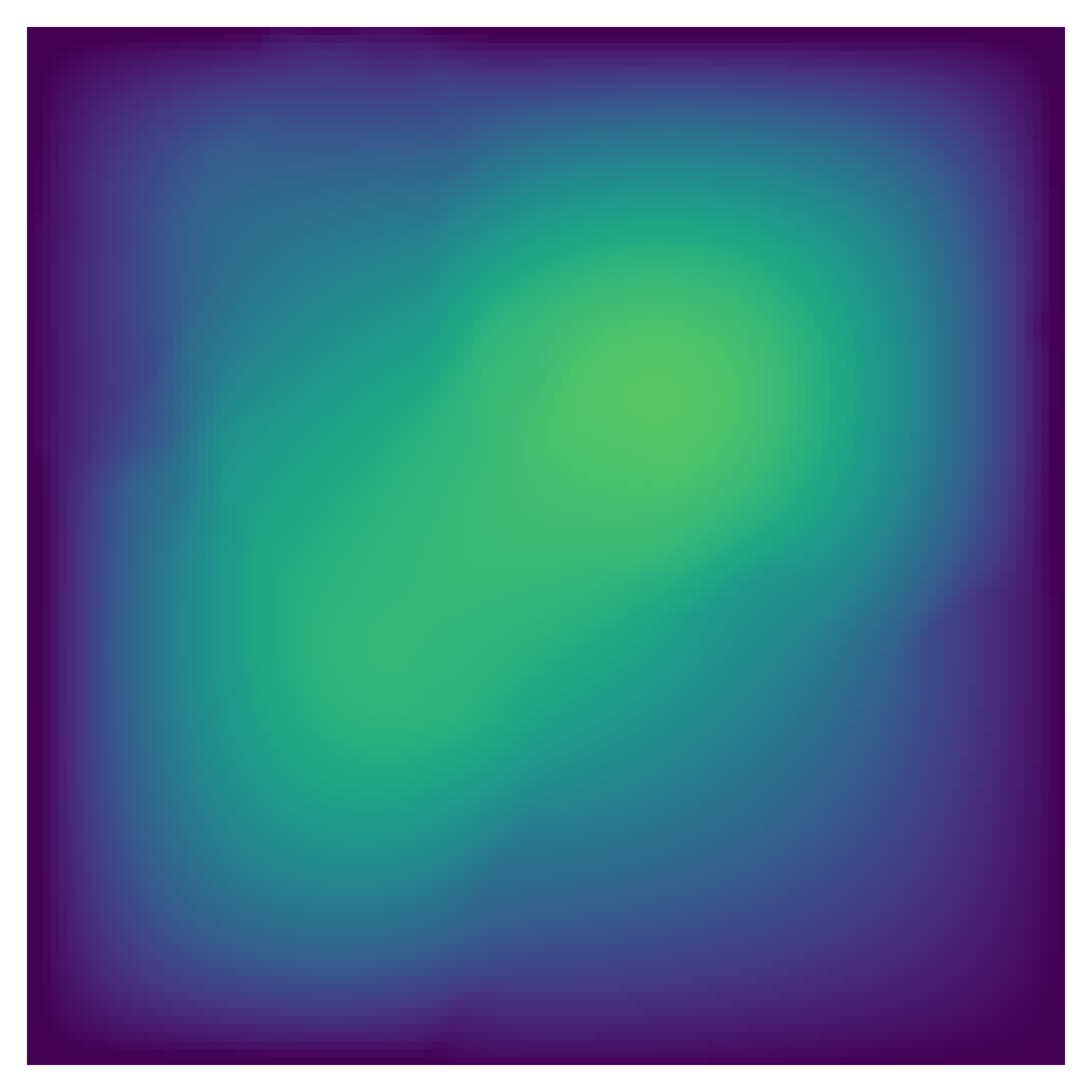
PINO(TTOP)
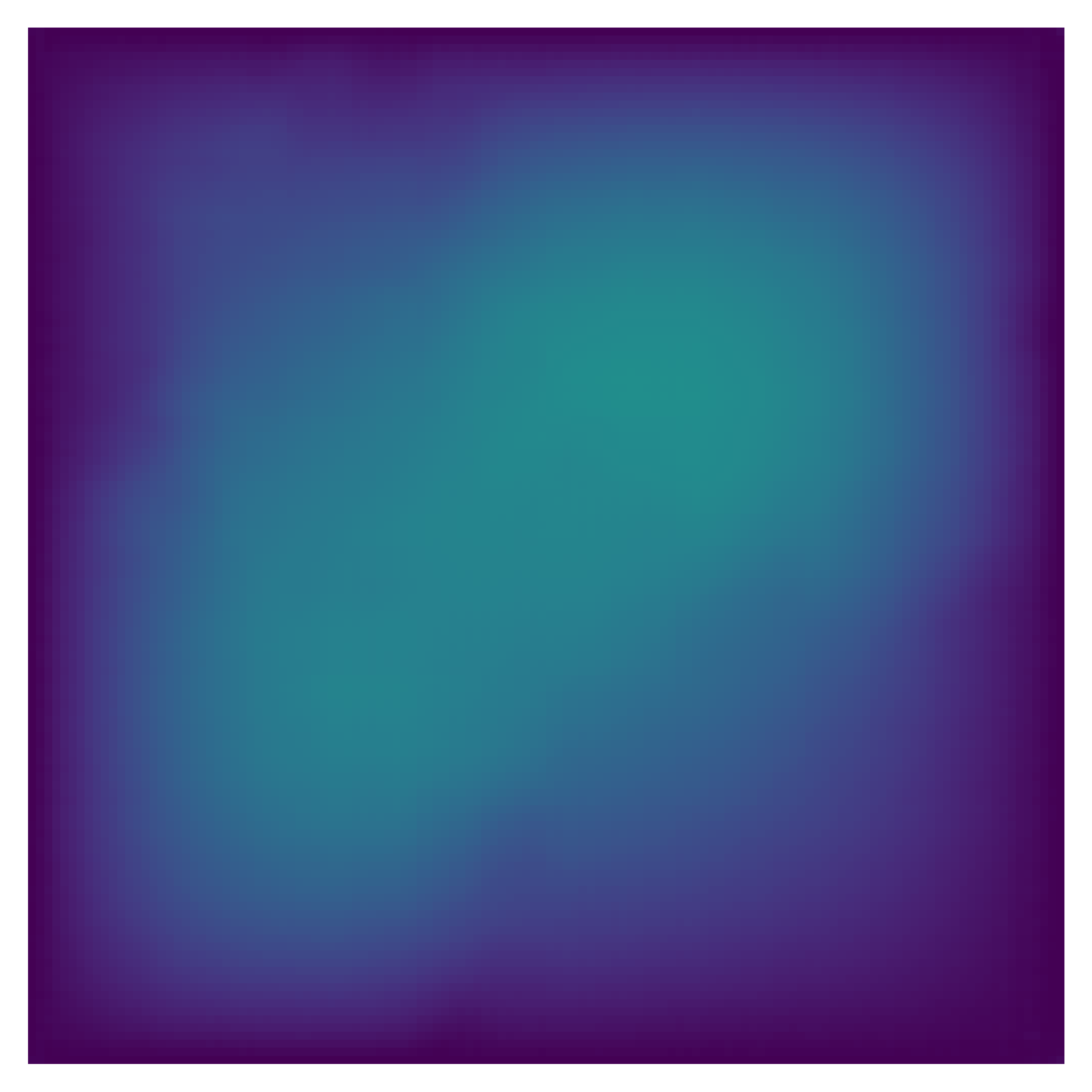
POSEIDON
Super-resolution
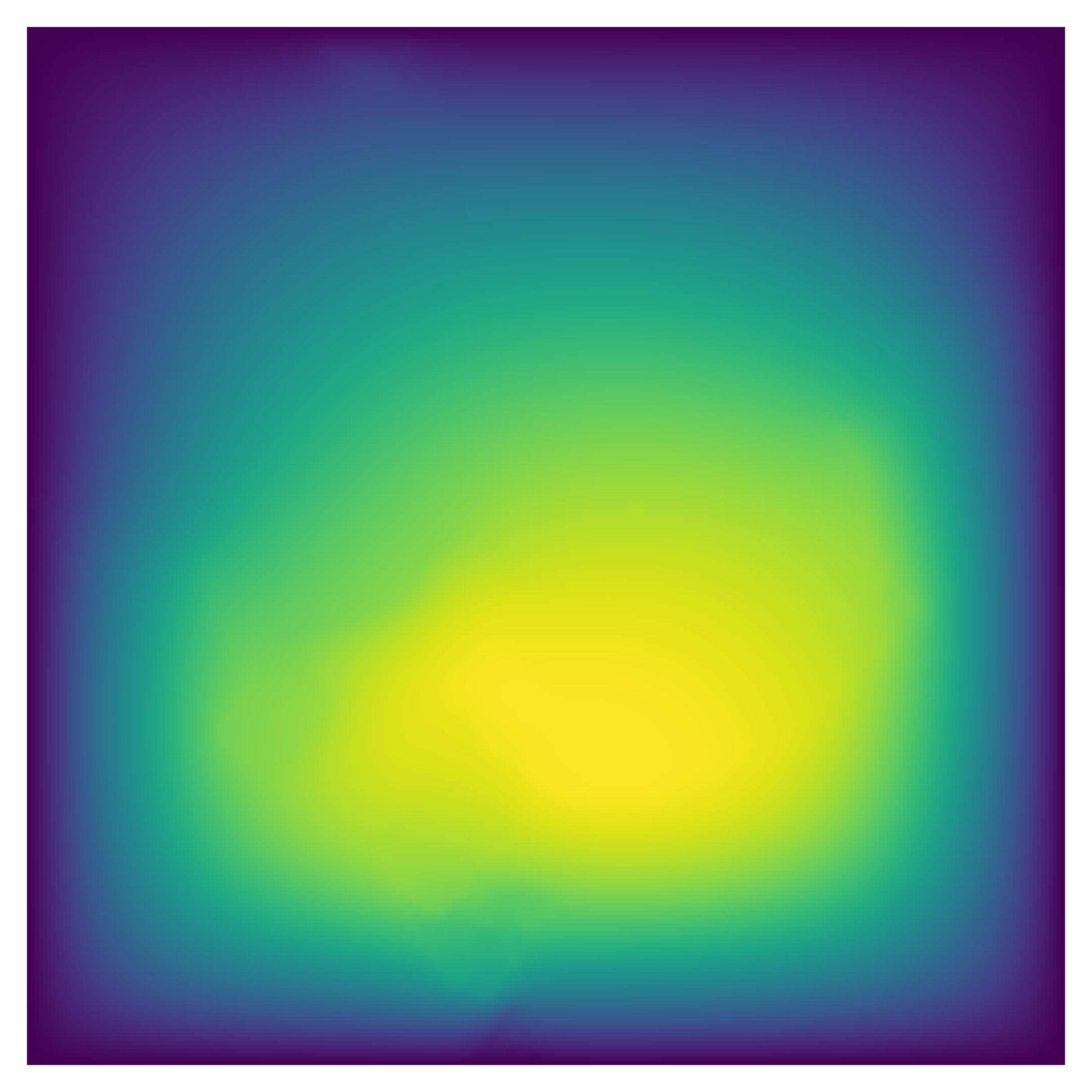
Ground Truth

ENS (Ours)
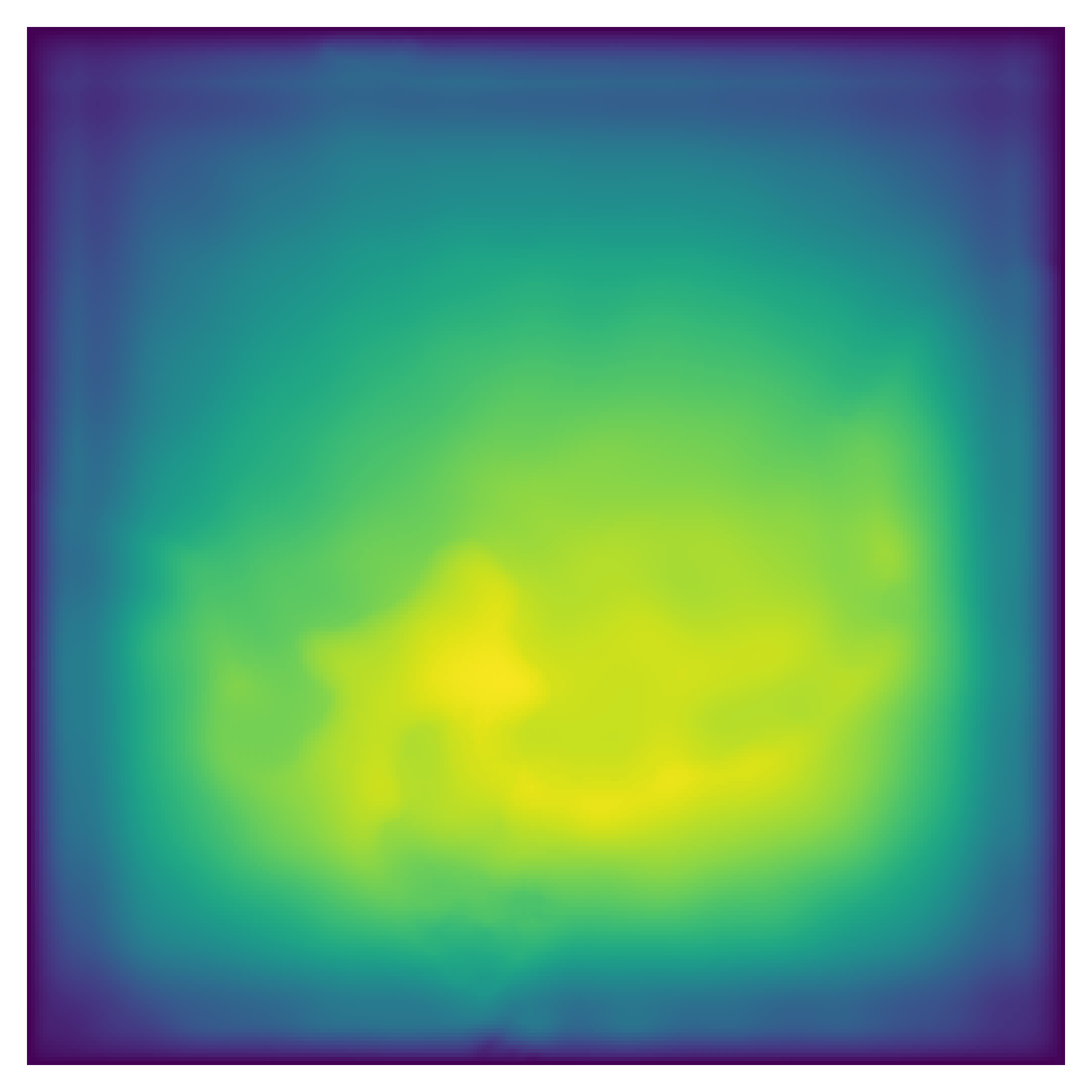
FNO
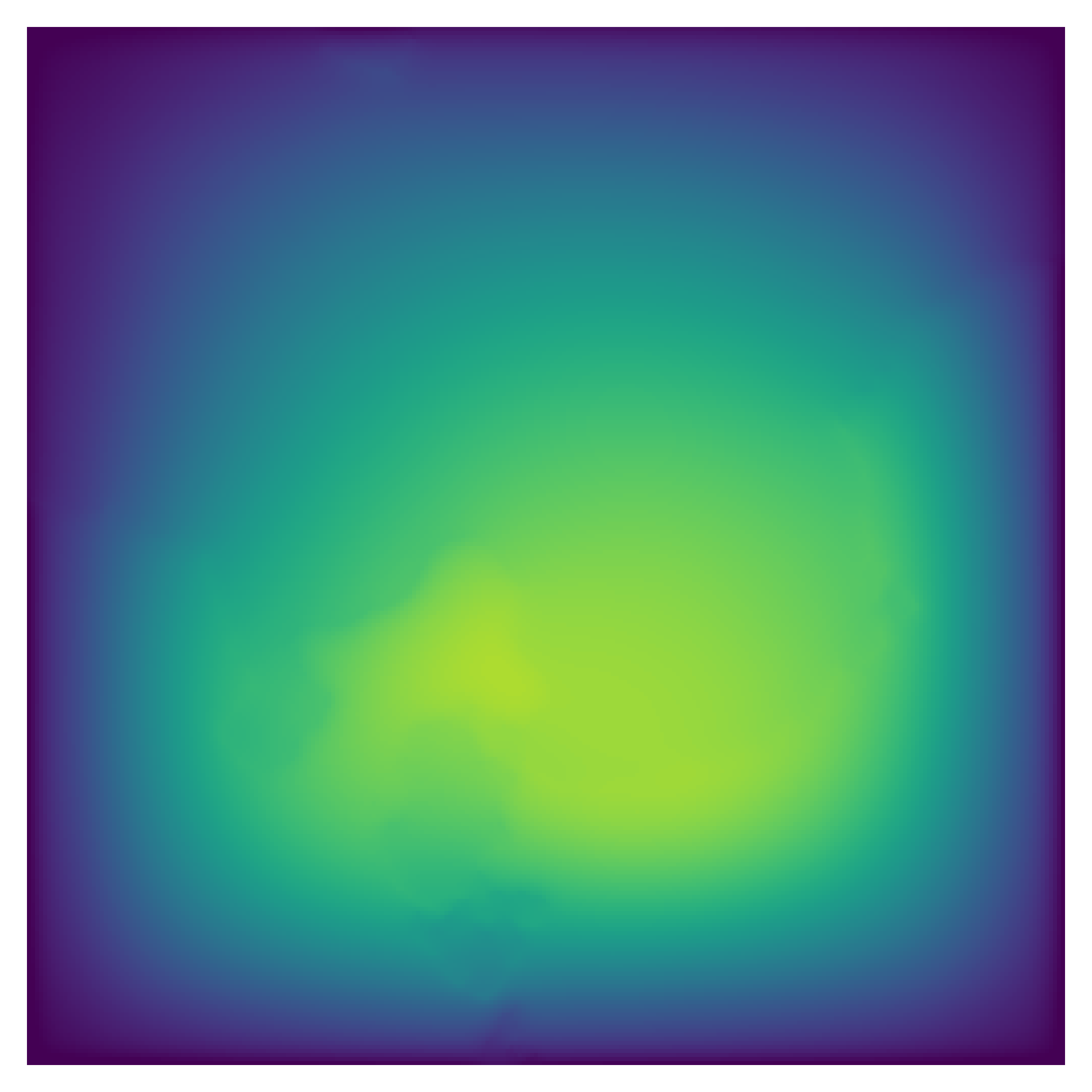
PINO
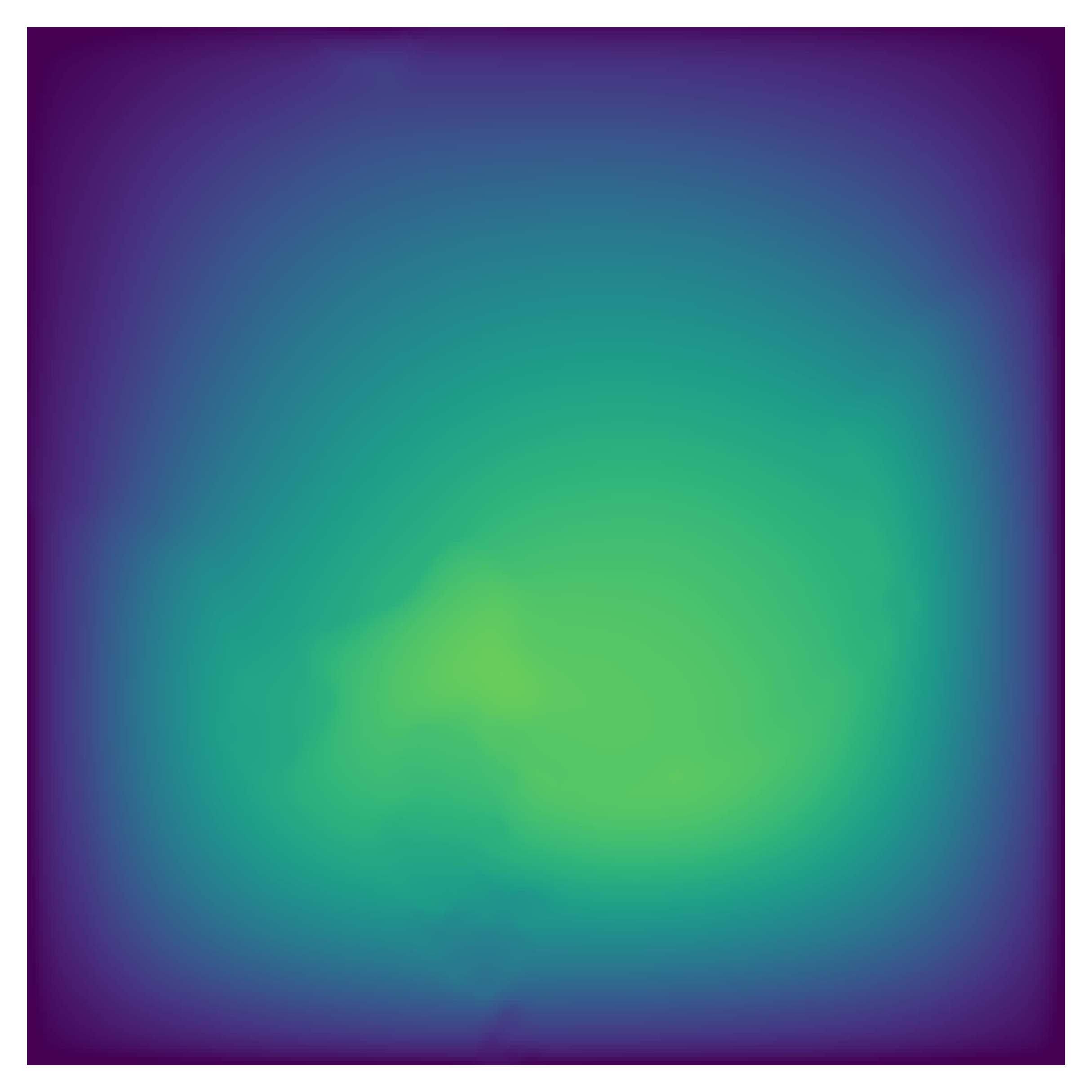
PINO(TTOP)
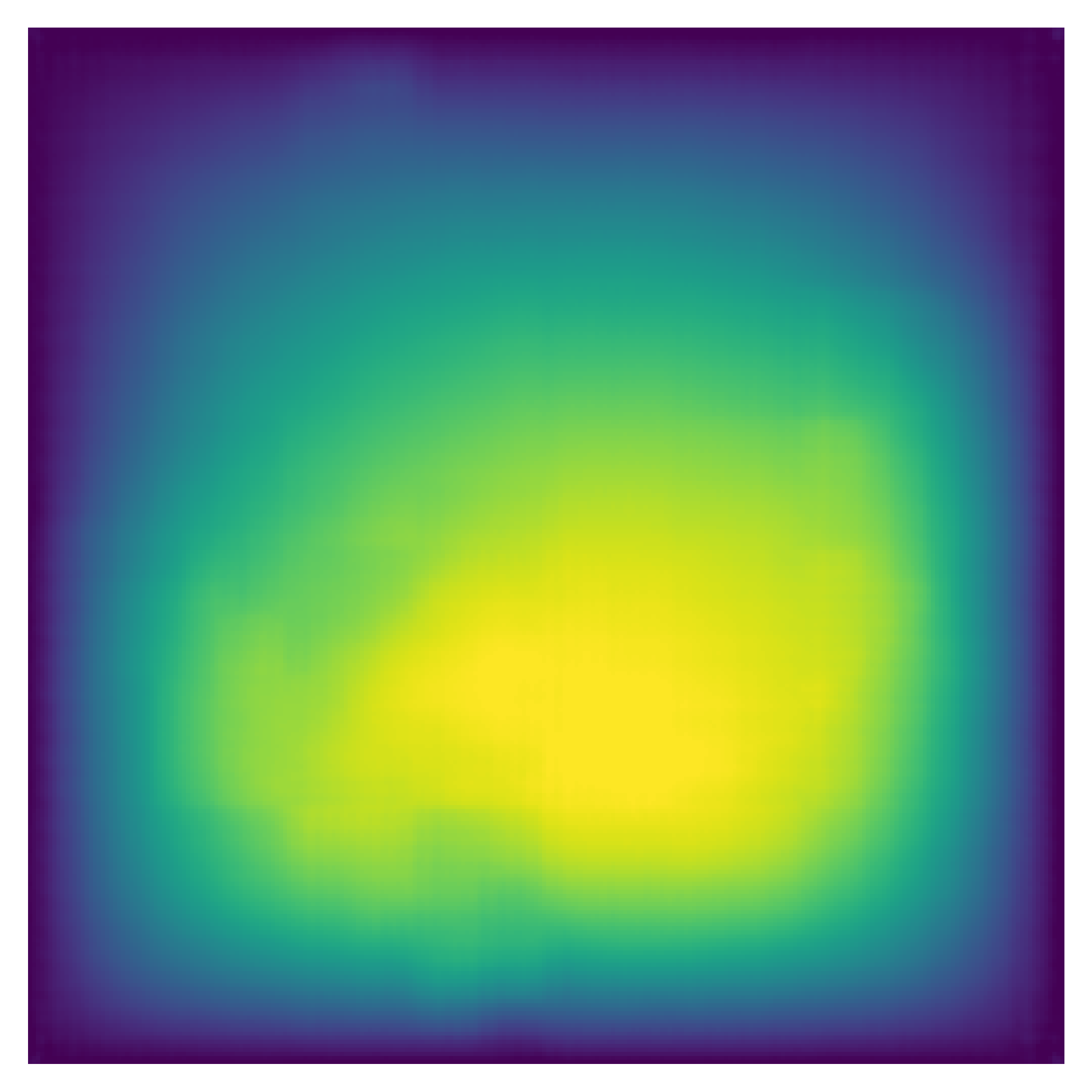
POSEIDON
Helmholtz
Wave-number shift
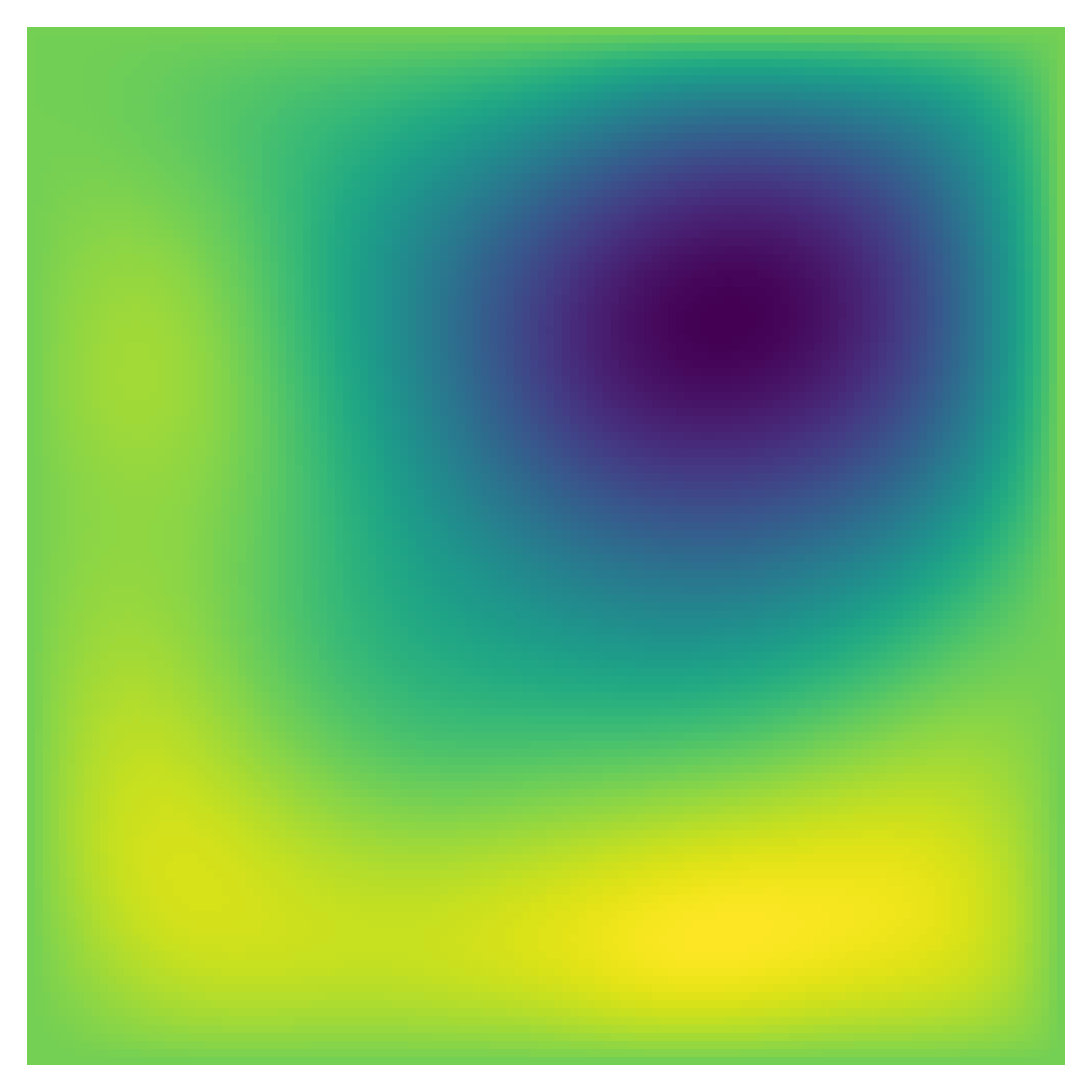
Ground Truth

ENS (Ours)
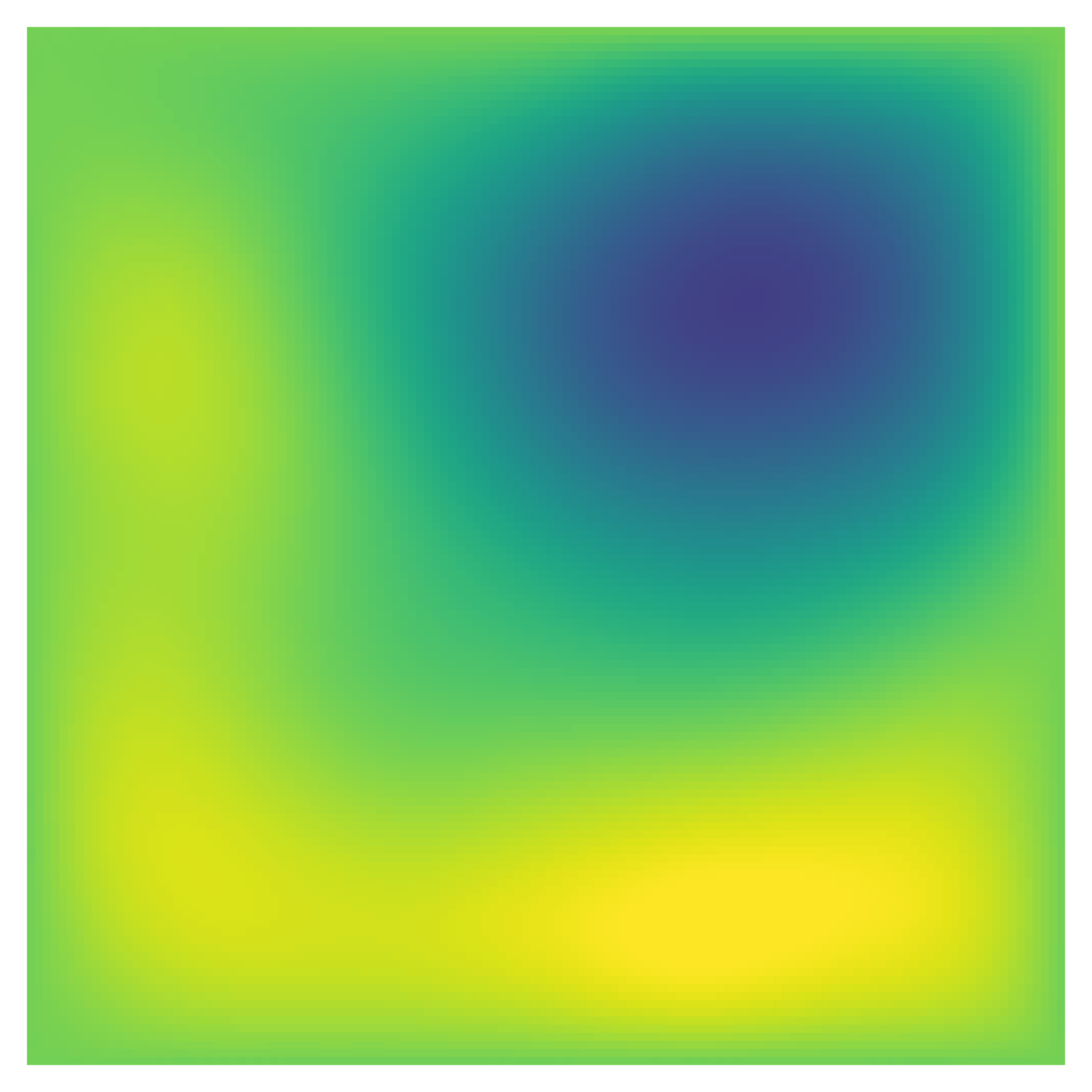
FNO
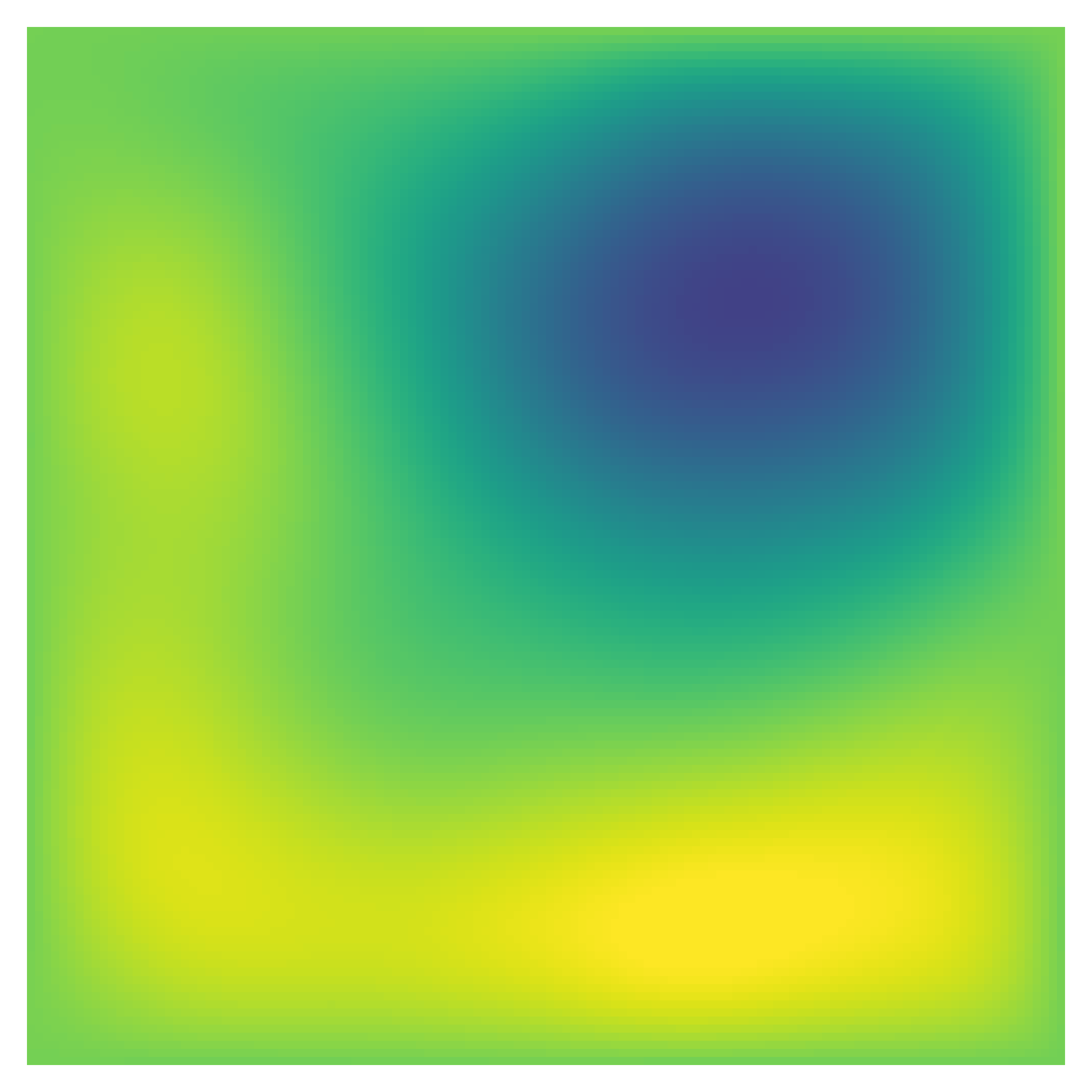
PINO
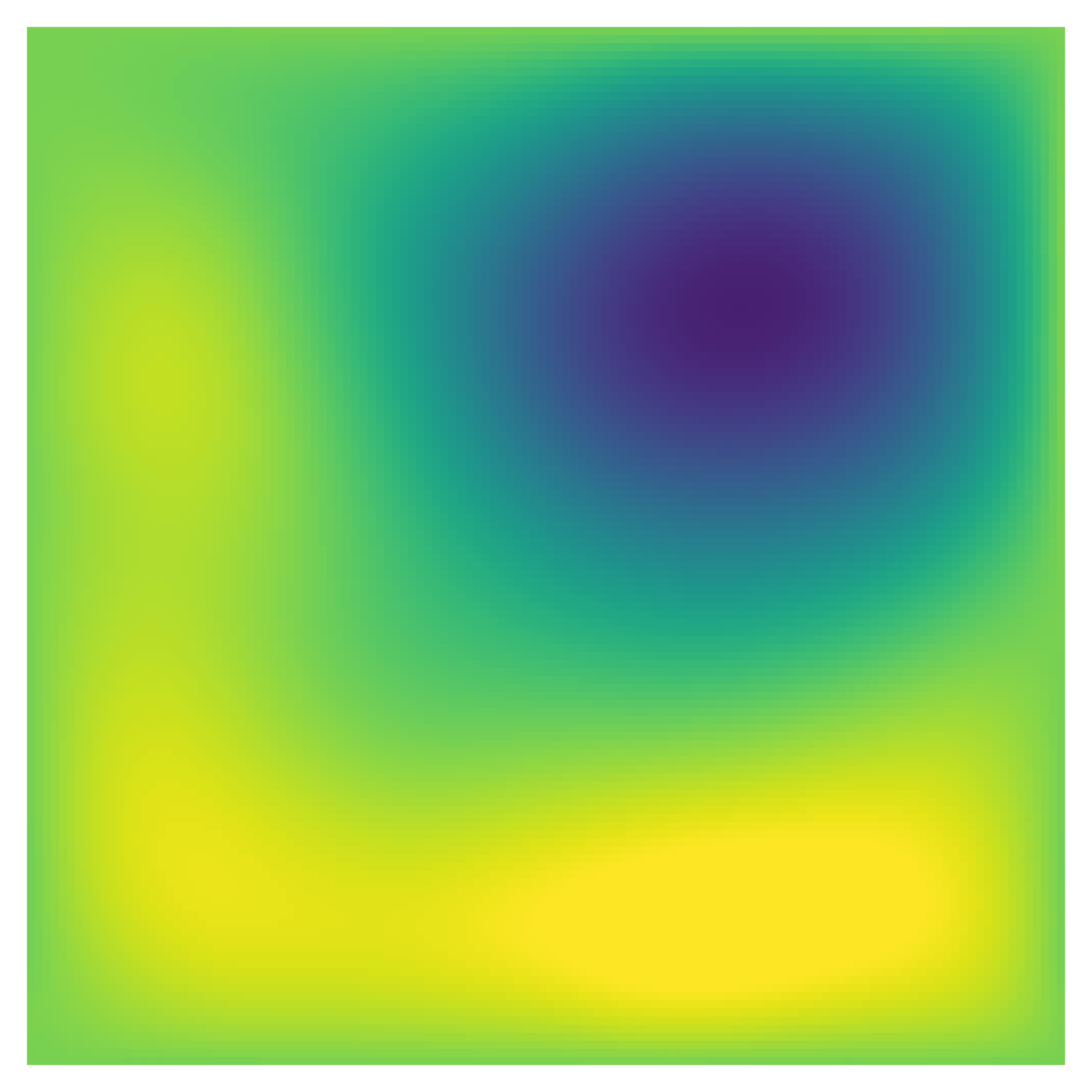
PINO(TTOP)
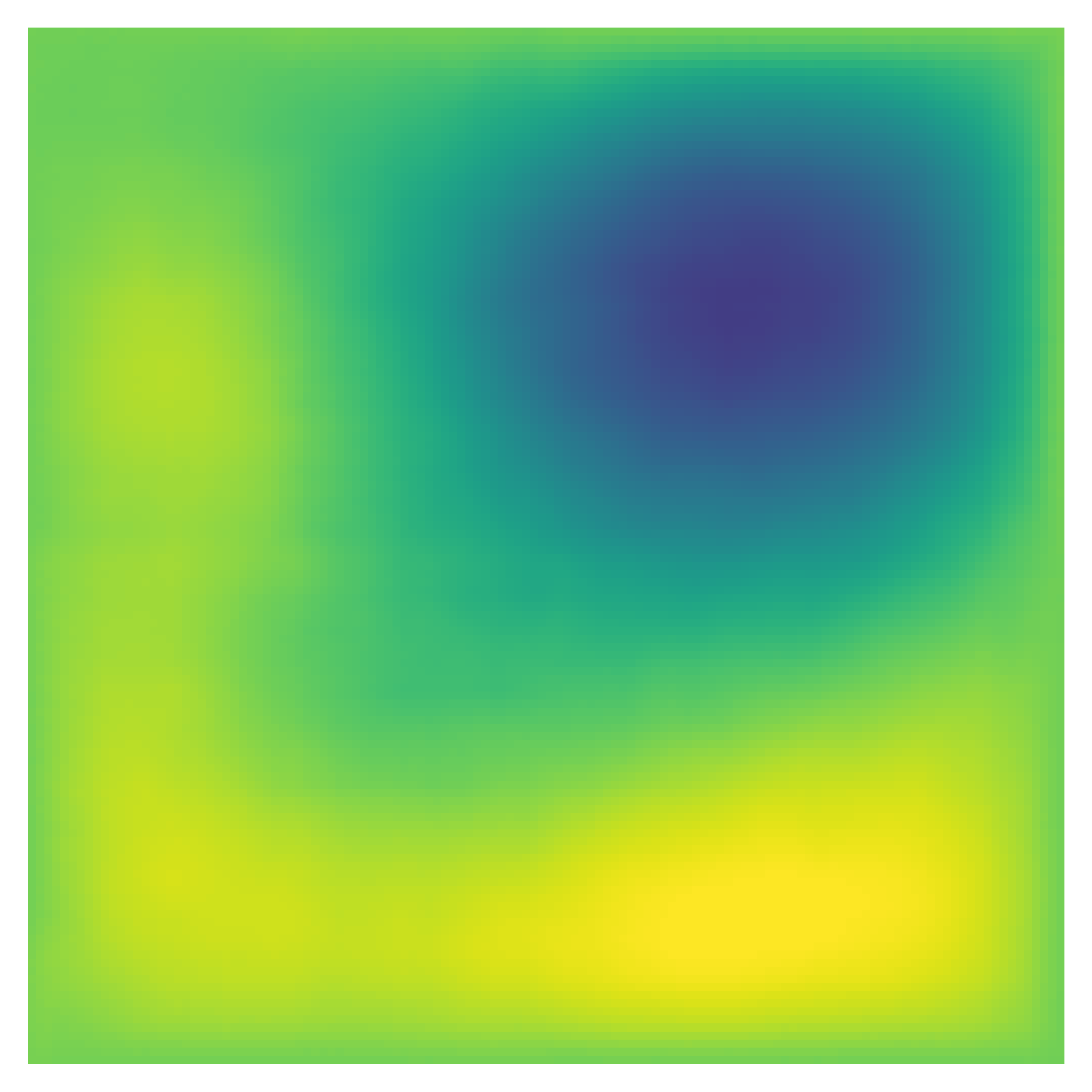
POSEIDON
Cross-equation
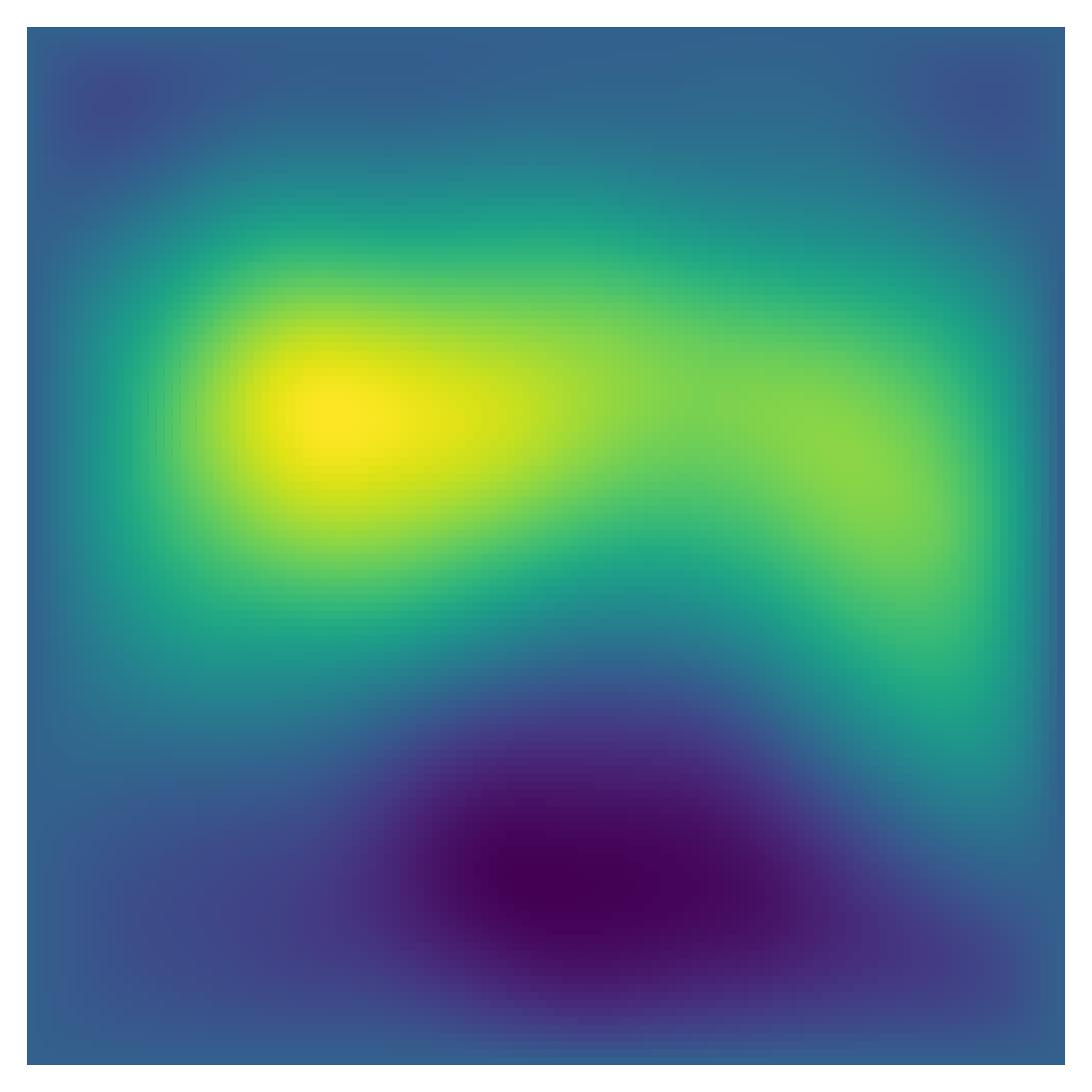
Ground Truth

ENS (Ours)
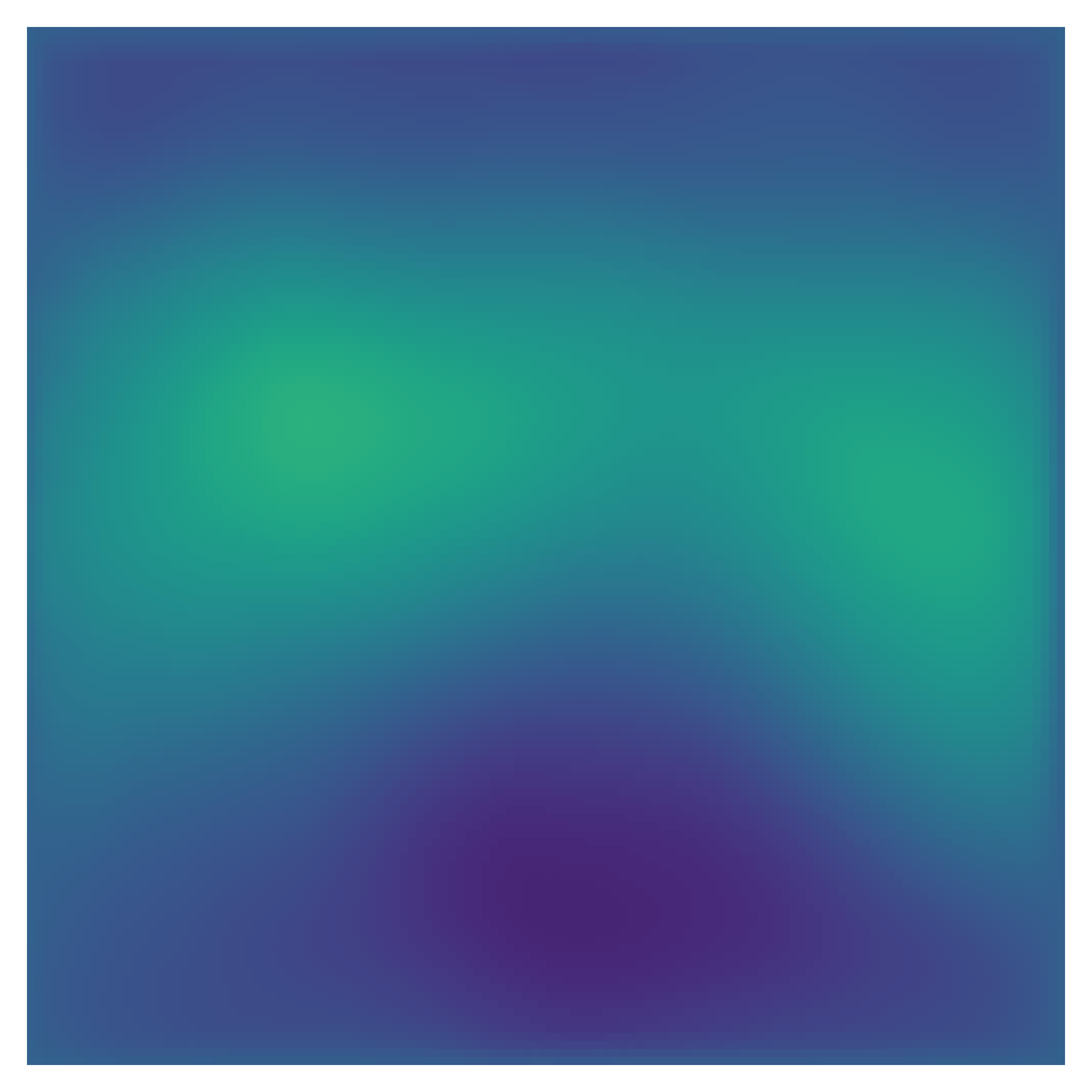
FNO

PINO
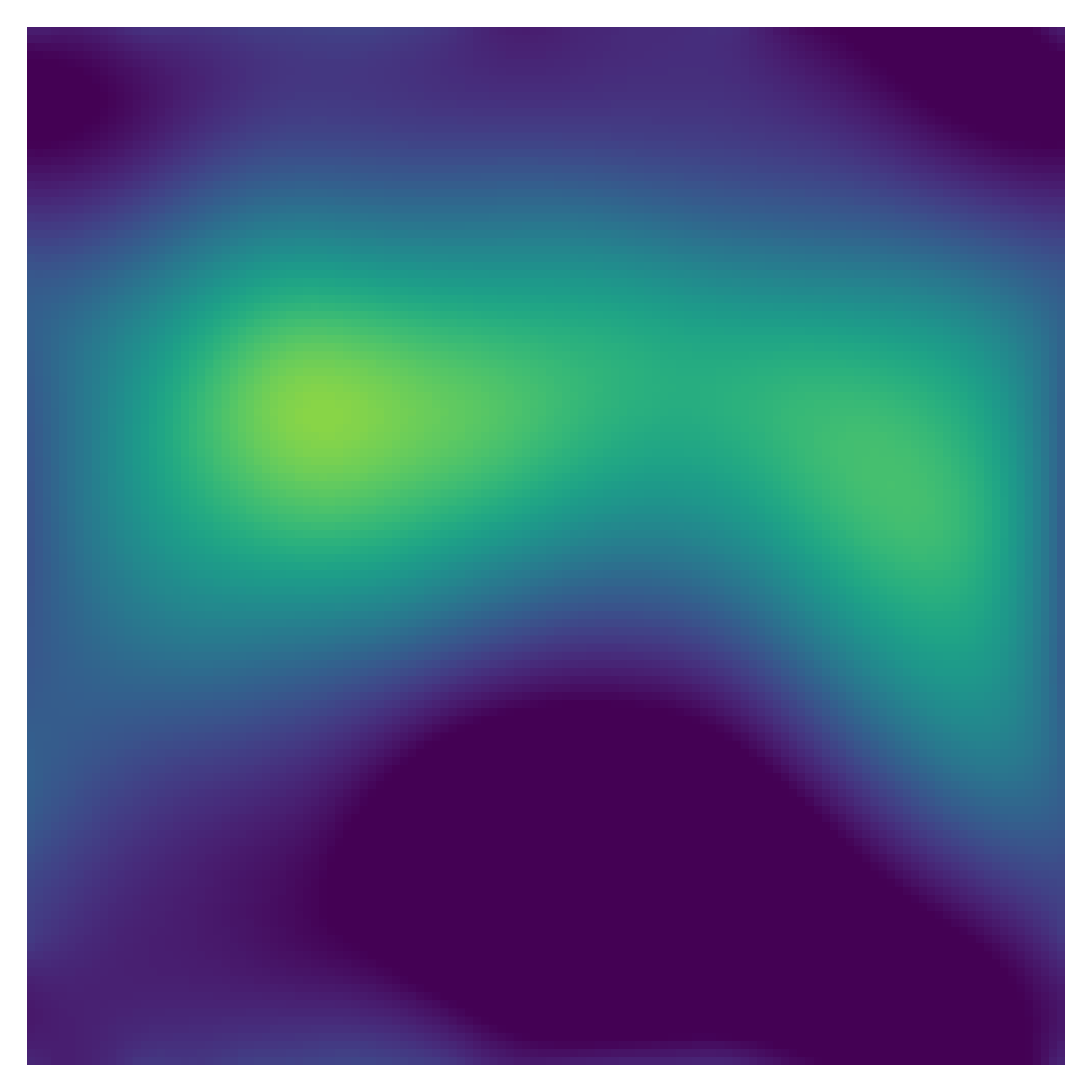
PINO(TTOP)
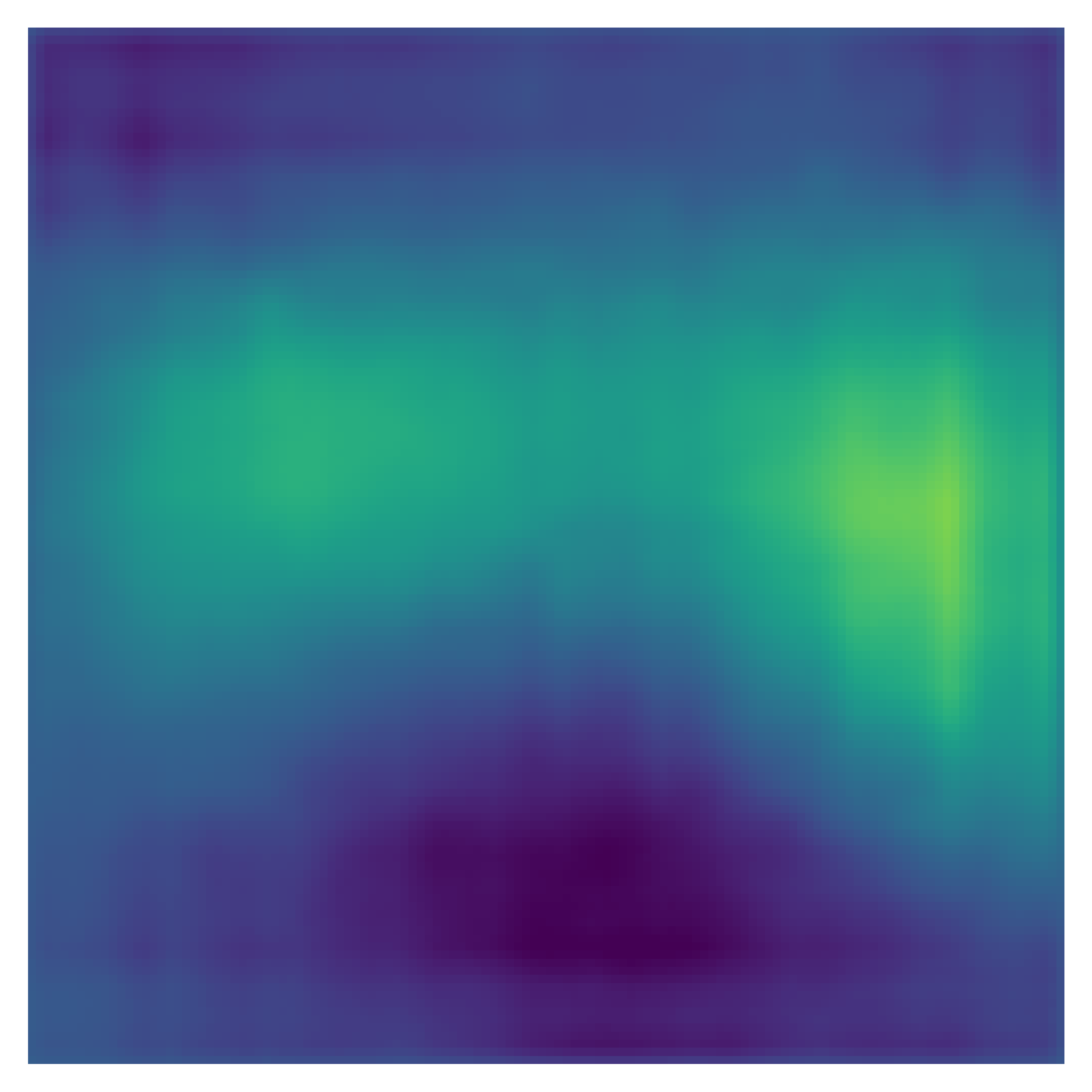
POSEIDON
Nonlinear Helmholtz
Wave-number & Nonlinearity shift
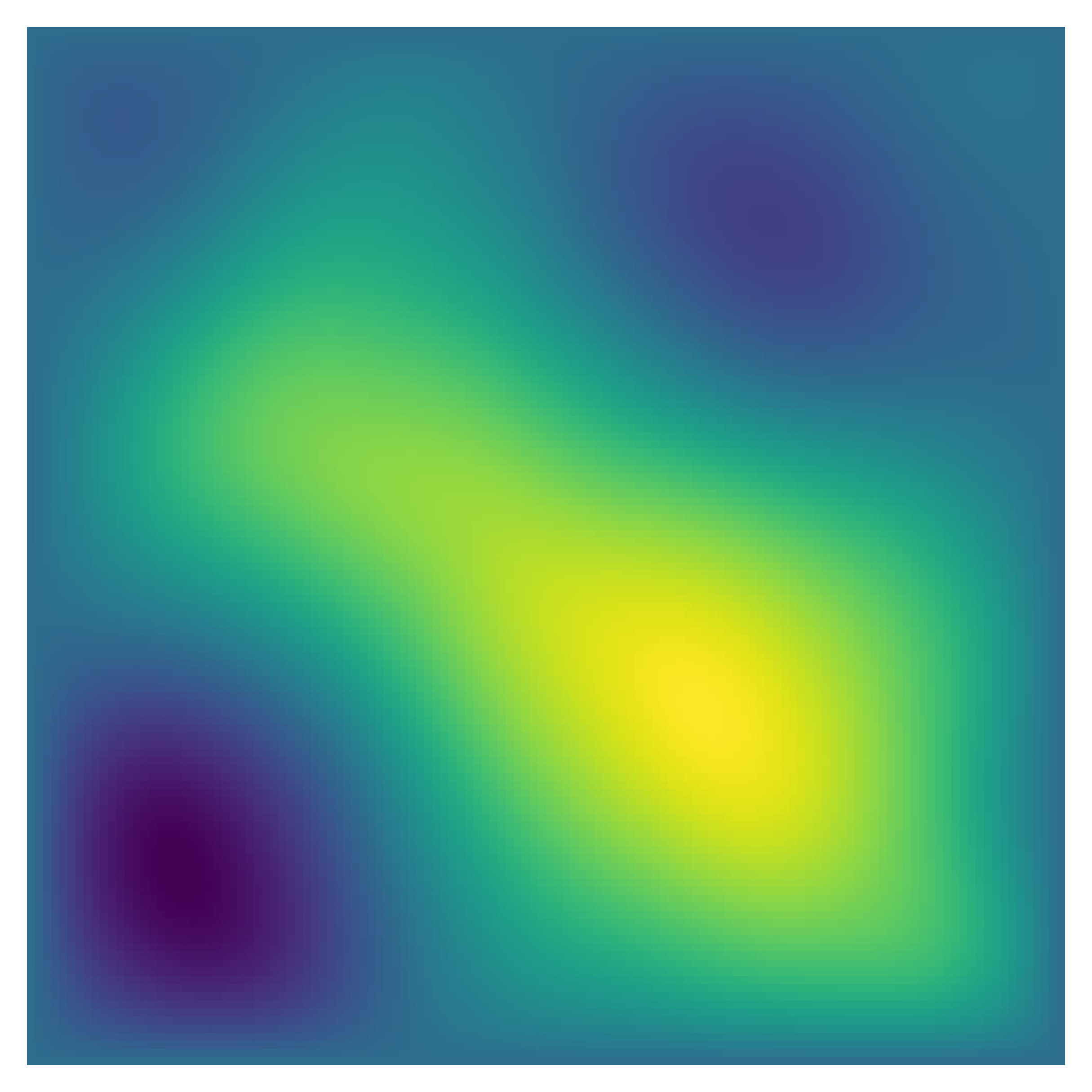
Ground Truth

ENS (Ours)
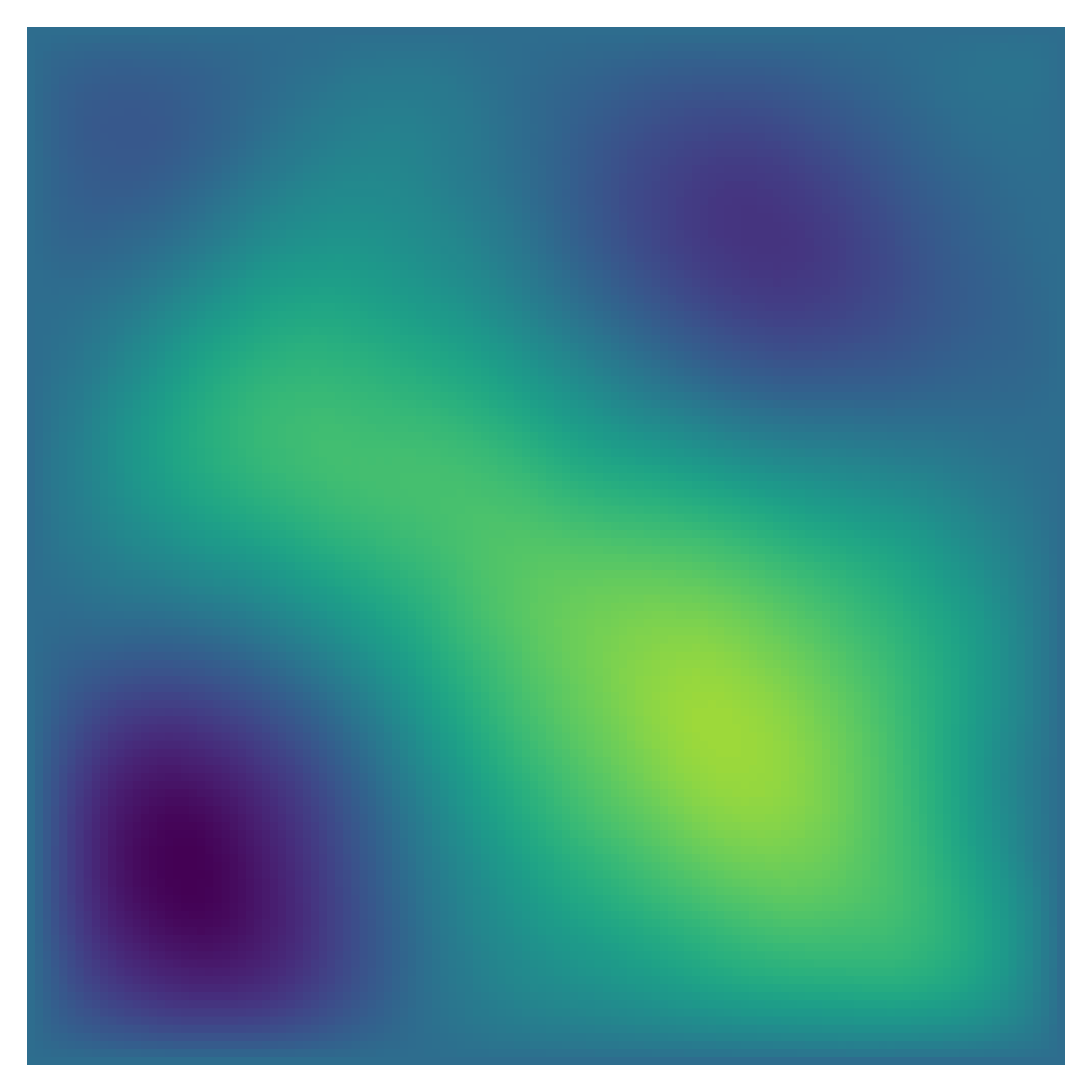
FNO
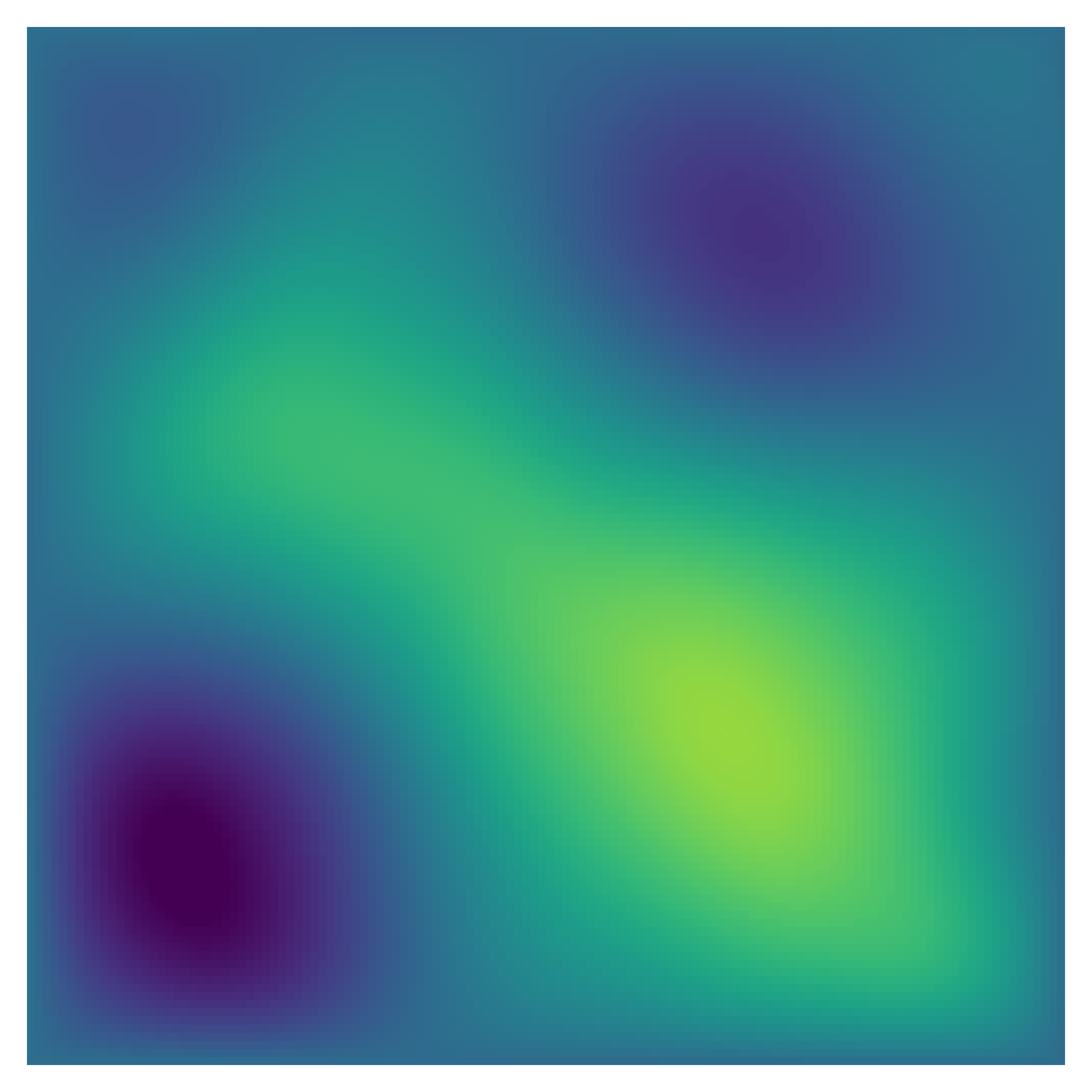
PINO
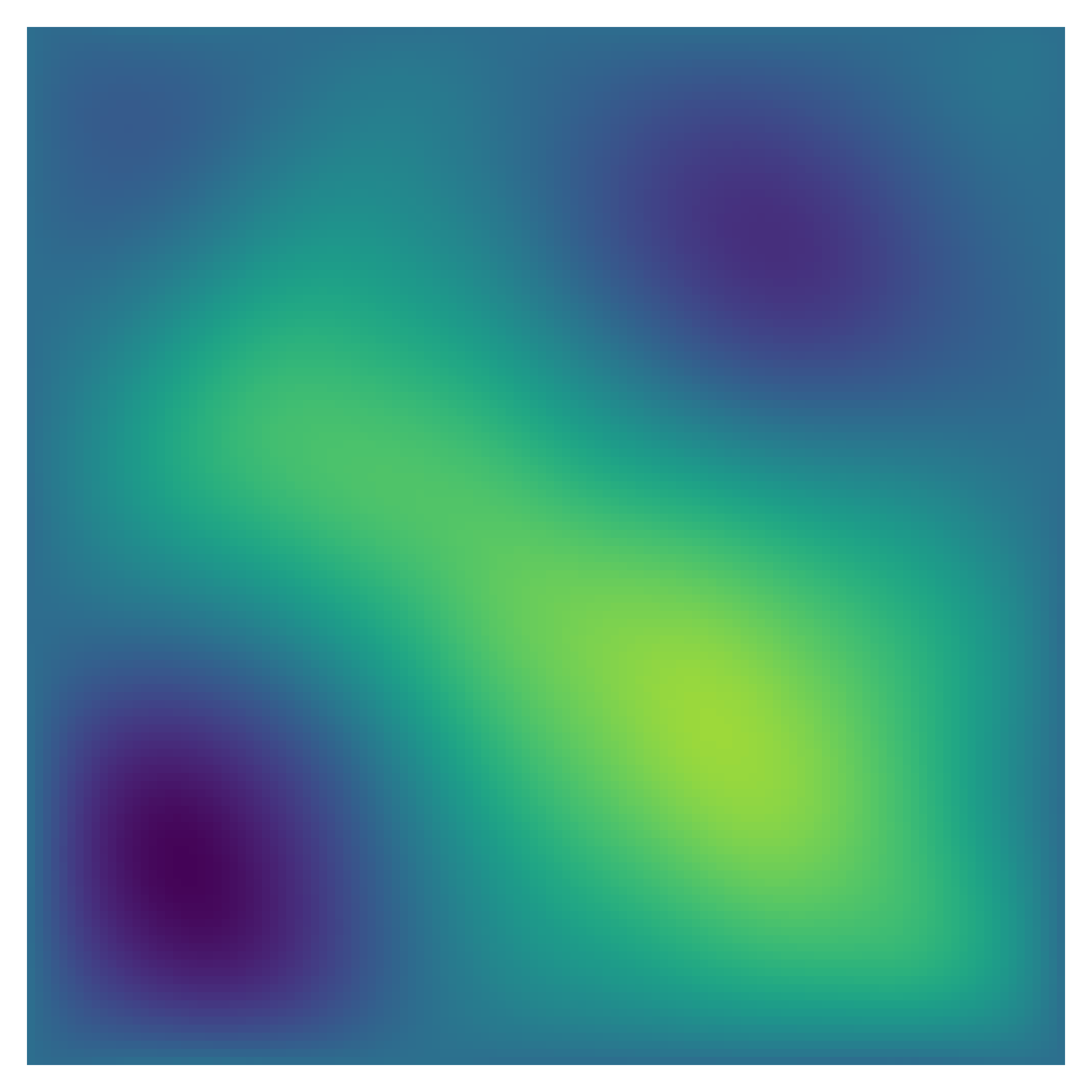
PINO(TTOP)
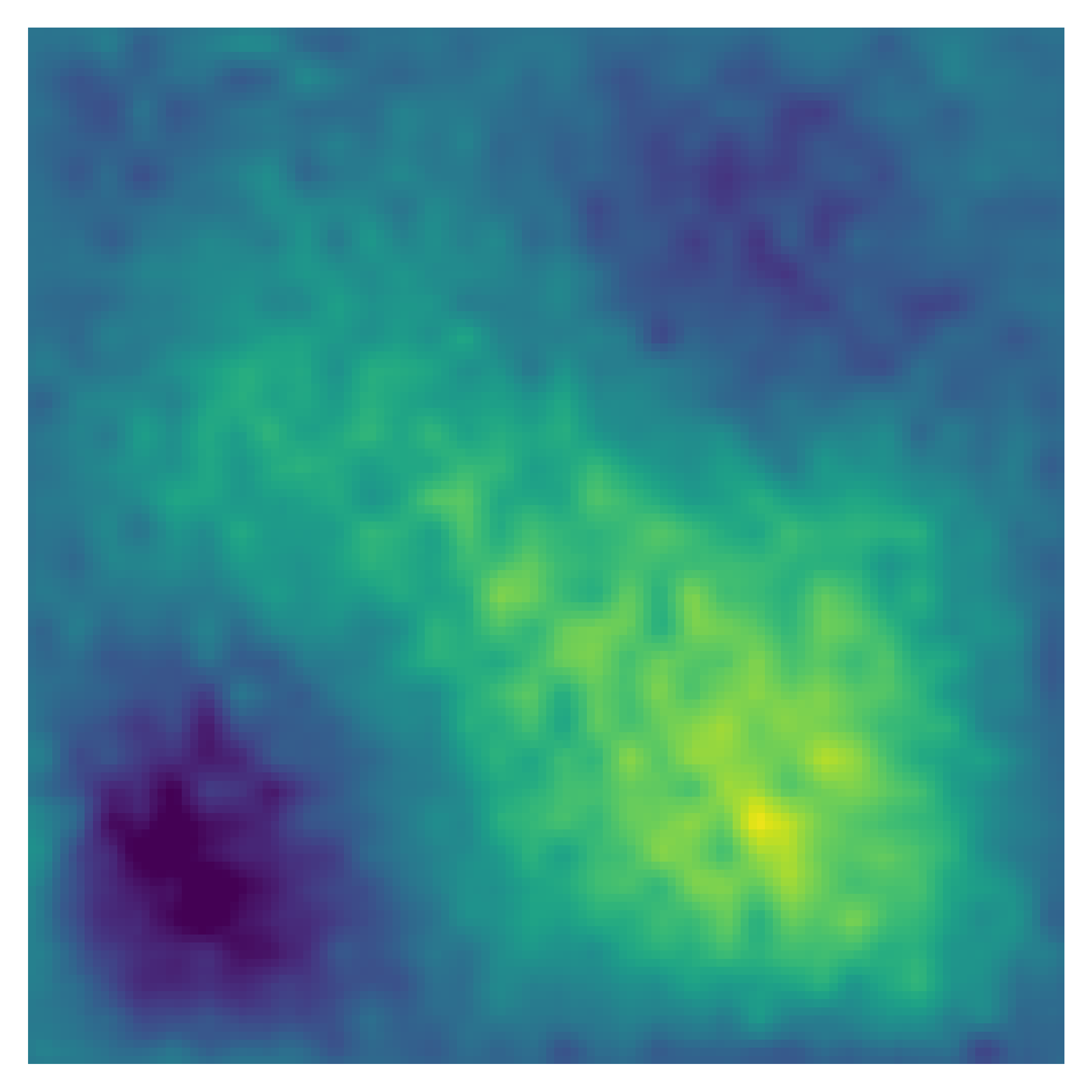
POSEIDON
Super-resolution
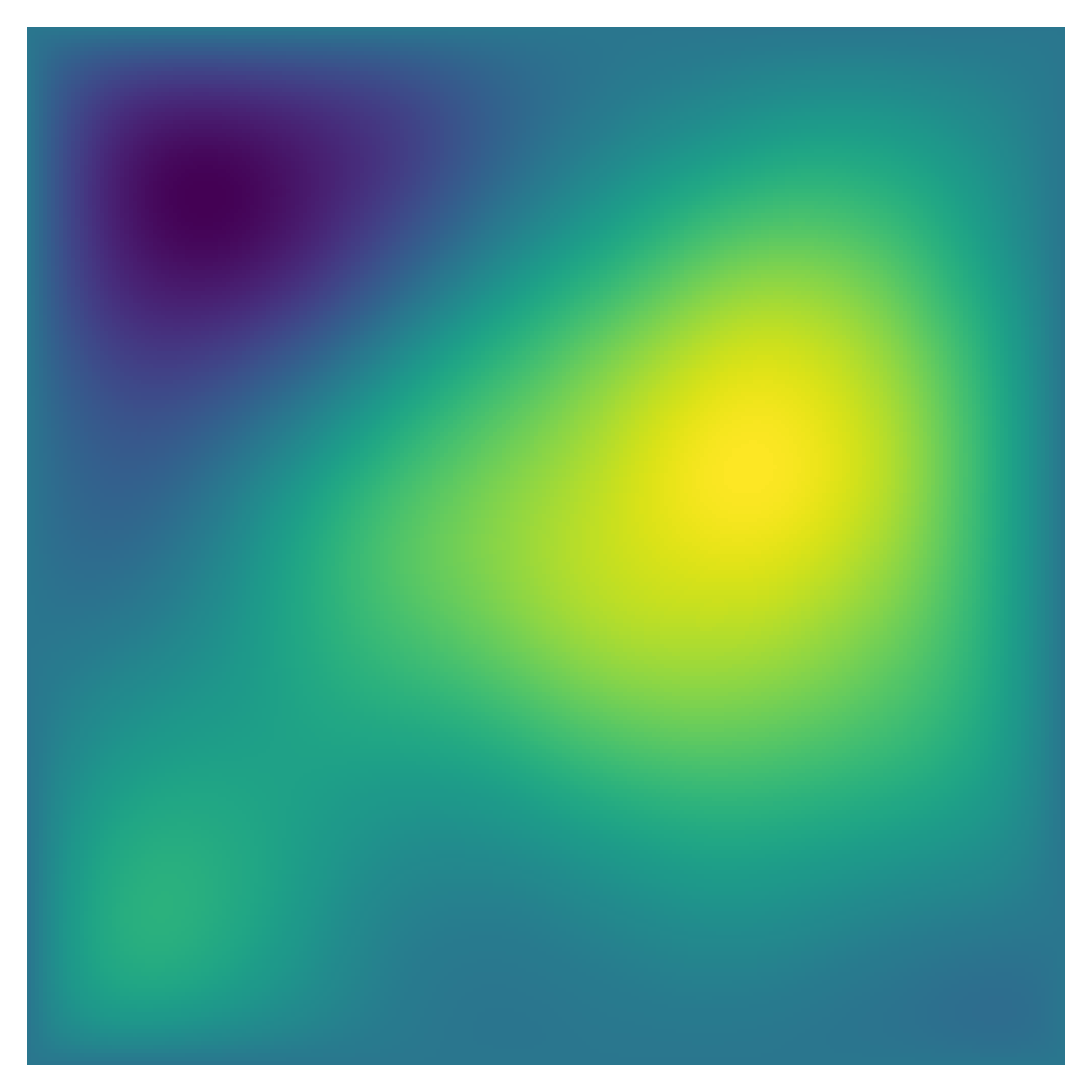
Ground Truth

ENS (Ours)
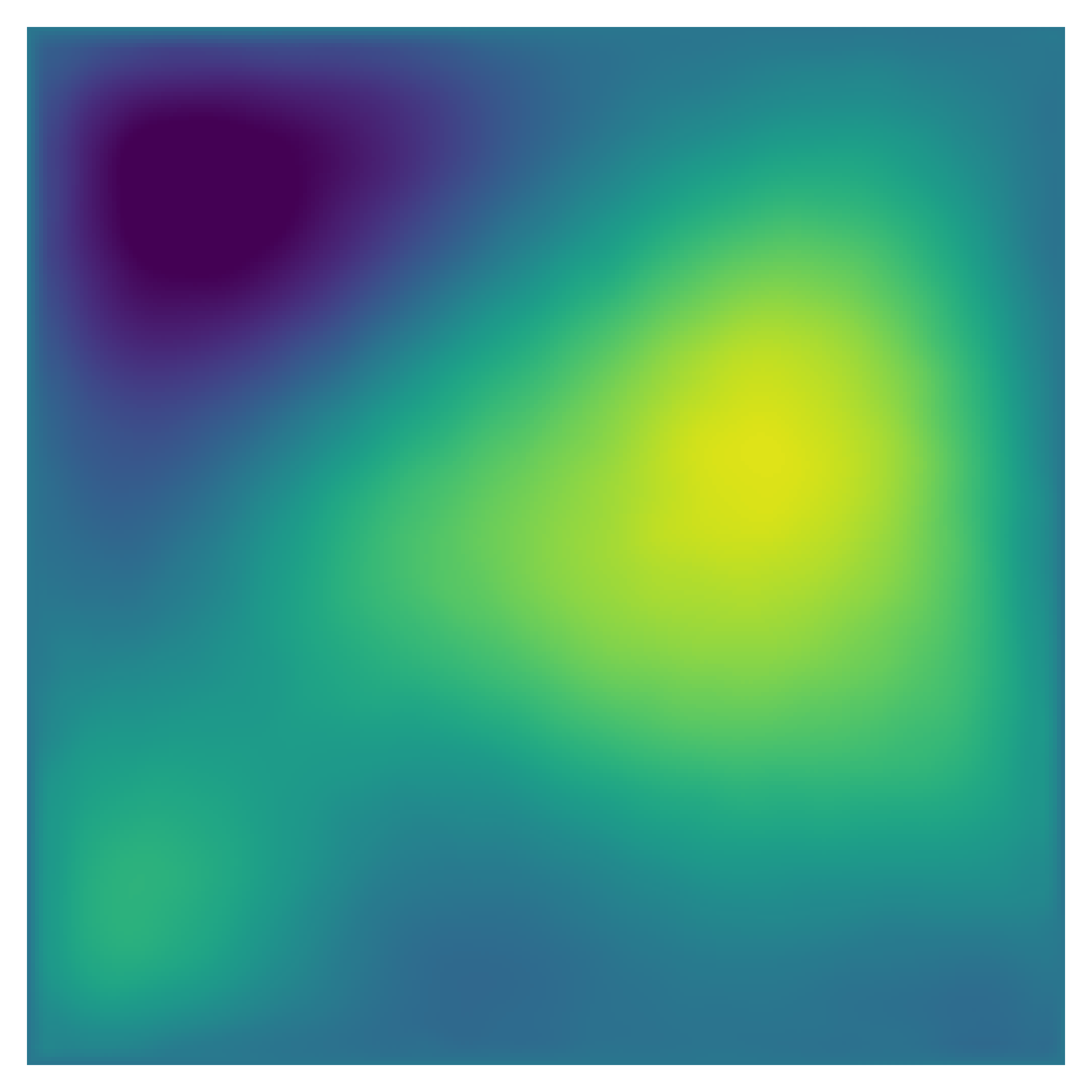
FNO
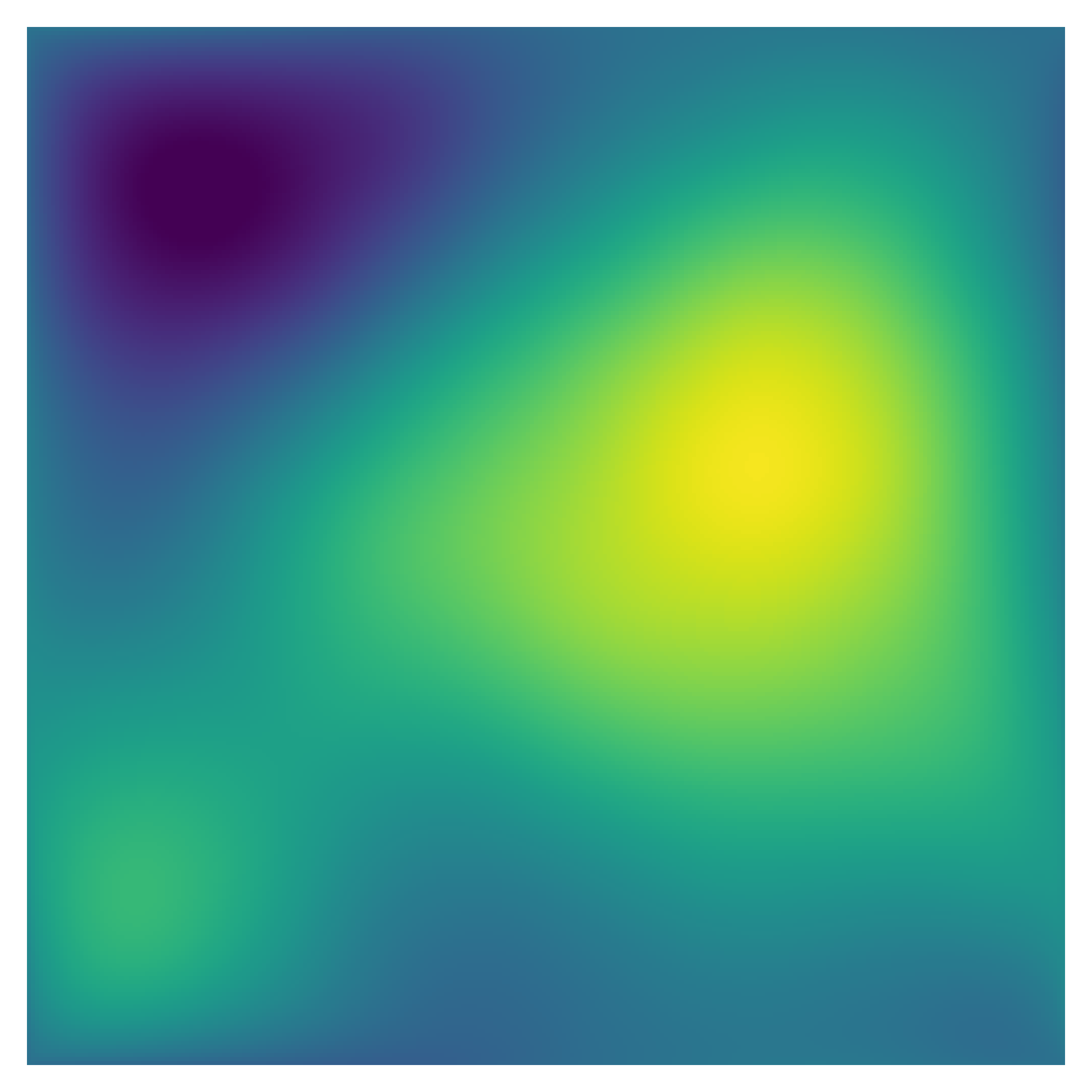
PINO
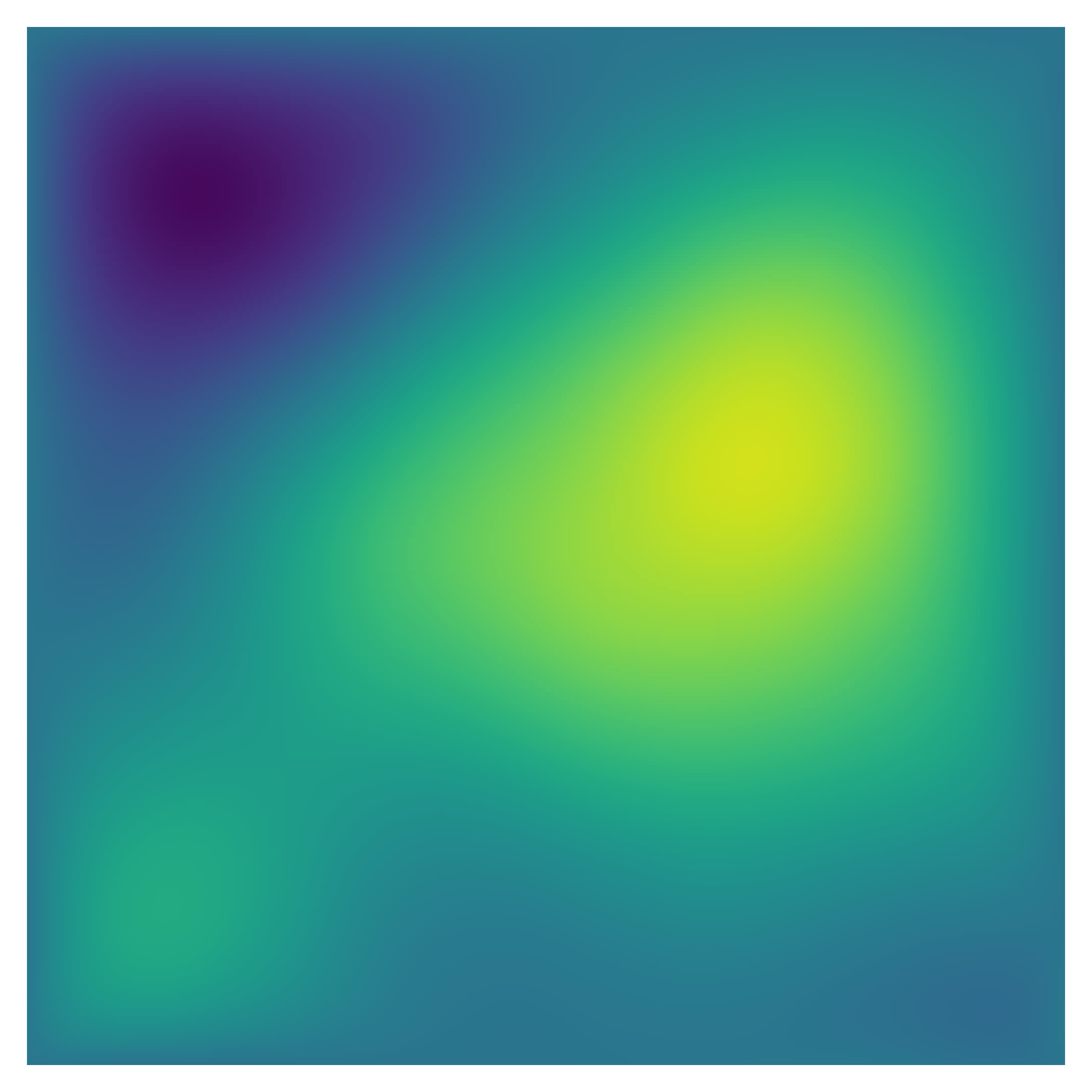
PINO(TTOP)
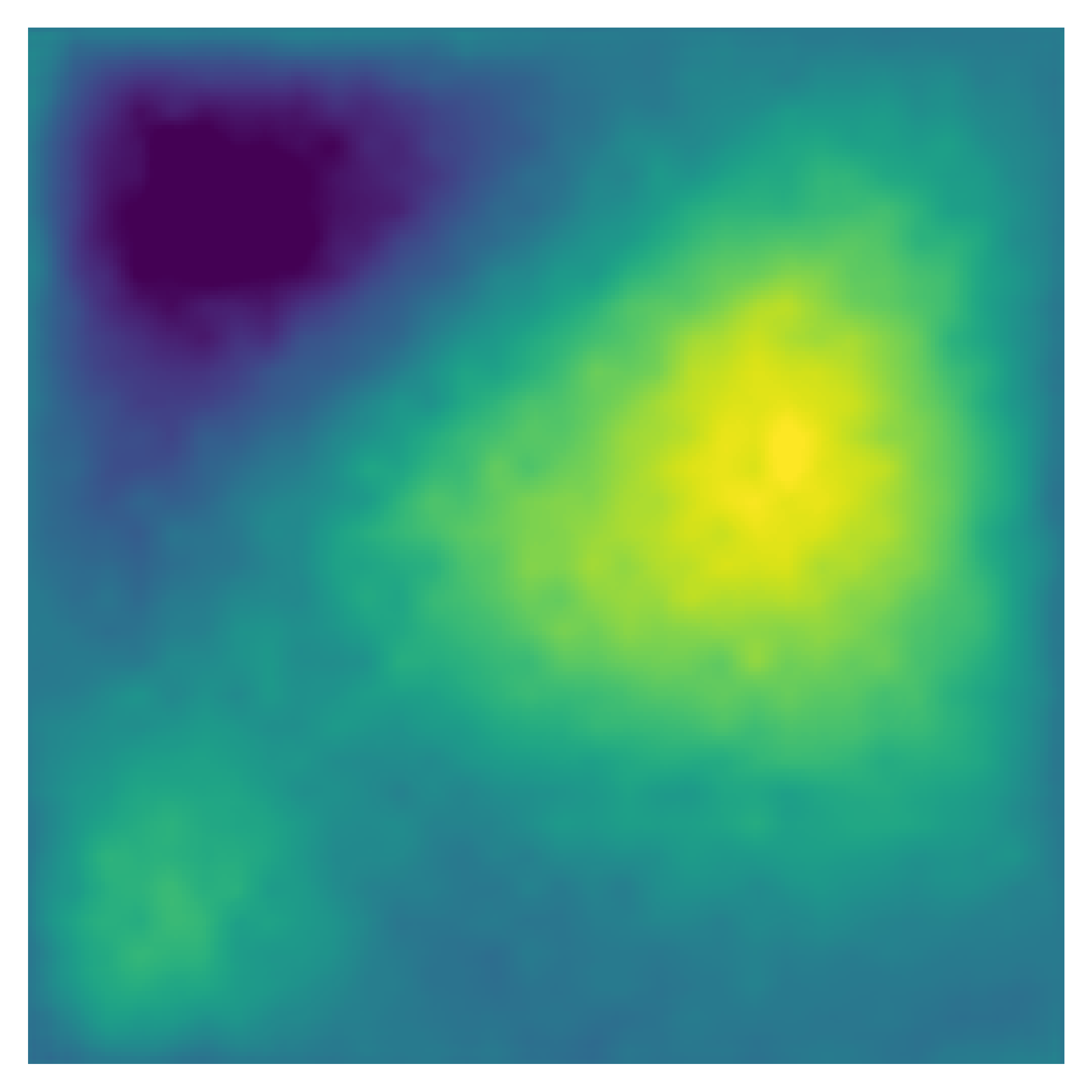
POSEIDON
Navier-Stokes
Forcing-shift (full frame)

Ground Truth

ENS (Ours)

FNO

PINO

PINO(TTOP)

POSEIDON
Viscosity-shift (full frame)

Ground Truth

ENS (Ours)

FNO

PINO

PINO(TTOP)

POSEIDON
Optimization process (Last frame)
Solution
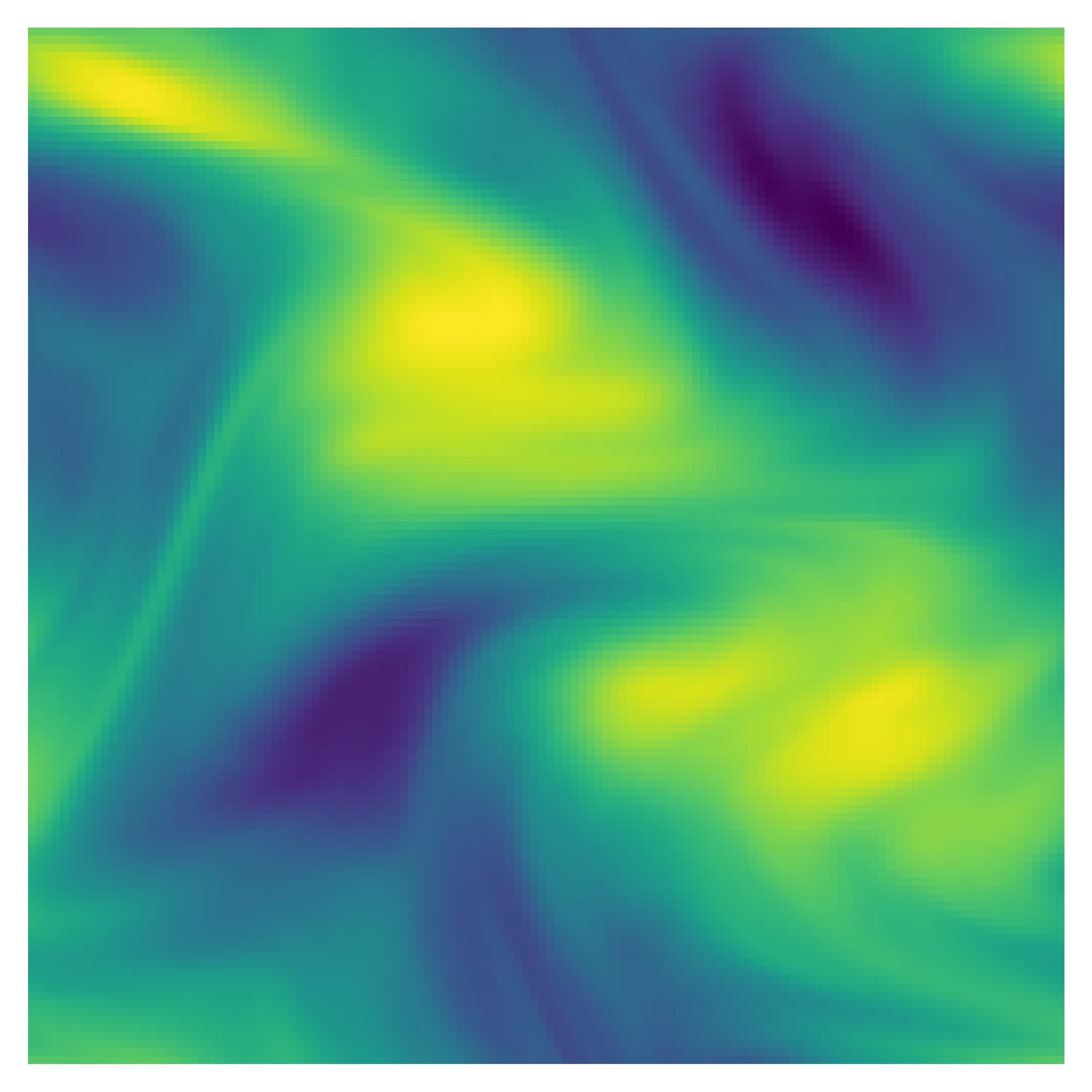


L1 error


Ground Truth
ENS (Ours) (0.5s)
PINO(TTOP) (43.7s)
Kolmogorov Flow
Forcing-shift (full frame)

Ground Truth

ENS (Ours)

FNO

PINO

PINO(TTOP)

POSEIDON
Super-resolution (full frame)

Ground Truth

ENS (Ours)

FNO

PINO

PINO(TTOP)